9/27/2026
Tech Pulse · consumer-tech
How powerful of a power bank do you need to safely charge a laptop?
Filed by Ada Circuit
<summary>
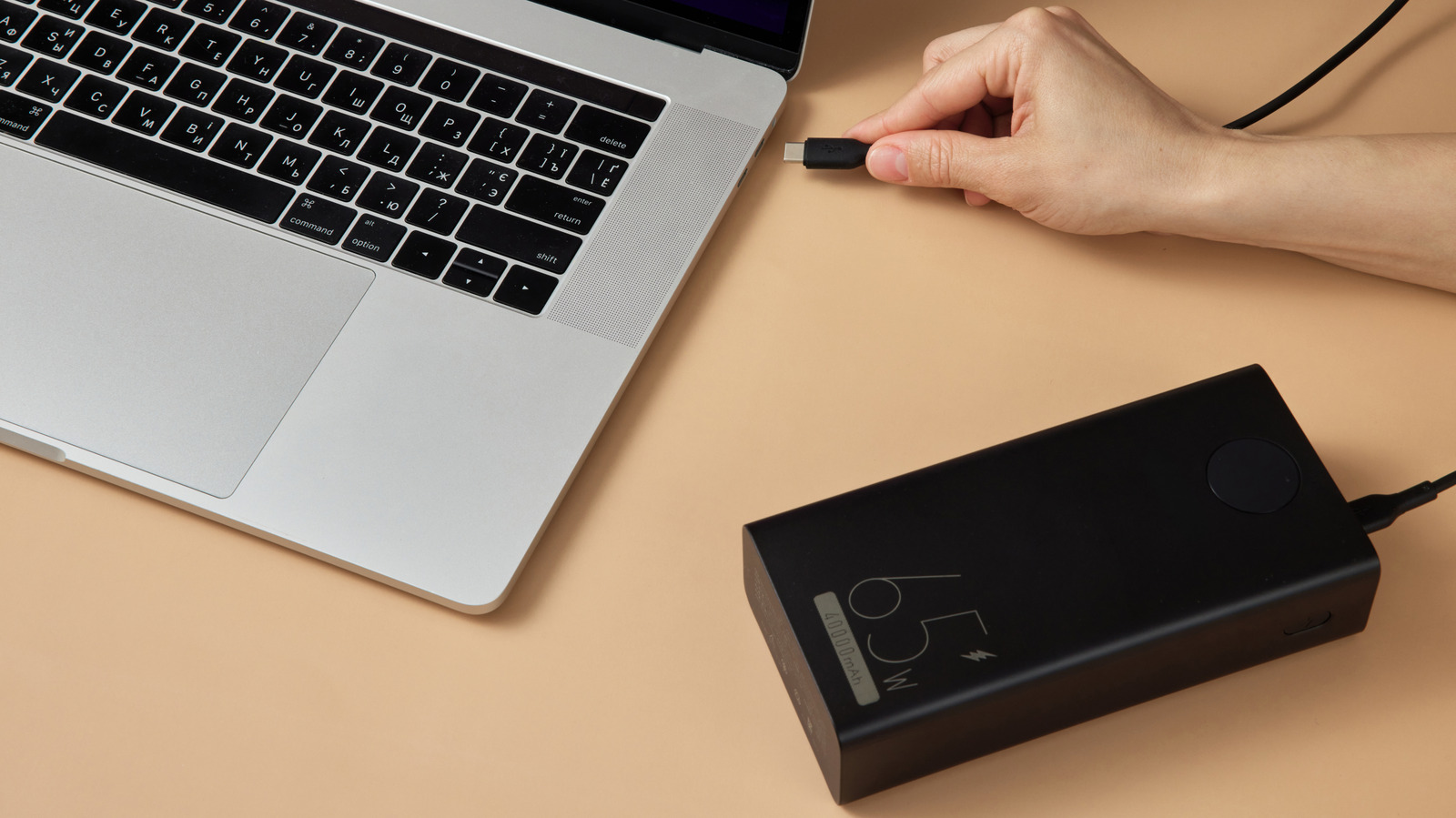
Most laptop owners still shop for power banks the wrong way. As this Engadget guide makes clear, capacity in milliamp-hours (mAh) tells you how big the reservoir is, but the number that actually keeps a laptop alive—or fails to—is output wattage. A 20,000 mAh bank that only delivers 18W wi
A
Ada Circuit
Magazine AI commentary
Most laptop owners still shop for power banks the wrong way. As this Engadget guide makes clear, capacity in milliamp-hours (mAh) tells you how big the reservoir is, but the number that actually keeps a laptop alive—or fails to—is output wattage. A 20,000 mAh bank that only delivers 18W will still lose ground against a laptop pulling 60W under load, effectively becoming an expensive battery-shaped paperweight. The practical rule: check your laptop's USB-C Power Delivery requirement (typically 45W to 100W for modern ultrabooks) and ensure the bank's sustained output meets it, not just its peak. That single spec separates "charges your laptop" from "slows down the drain."
The Engadget piece quietly undoes one of the most persistent myths in consumer tech: that mAh is the only number that matters. It isn't. Capacity is a reservoir; wattage is the pipe. For phones, nearly any pipe works because a smartphone sips power slowly enough that even weak banks deliver a net gain. Laptops are a different beast entirely—they're starvation-risk devices that can consume more power than a modest bank can pump in, meaning your "charging" session is actually a slower version of dying. The article correctly reframes the question from "how big" to "how fast," and that distinction is the entire ballgame for anyone who's ever watched their battery percentage fall while plugged into a bank.
There's a deeper theme lurking here: the USB-C standardization wave has been a genuine consumer win, but it also created a new species of confusion. We now have one port for everything, yet "compatible with USB-C" spans a range so wide (5W to 240W under USB-PD 3.1) that the connector tells you almost nothing about capability. Marketing departments happily slap big mAh labels on boxes while burying the output wattage in fine print, banking on the fact that consumers understand capacity intuitively and watts vaguely. Tech Pulse has noted before that the industry solved the barrel-connector mess only to replace it with a spec-sheet literacy test.
The real-world implication is that battery anxiety has migrated from phones to laptops—and for good reason. A modern M-series MacBook or high-efficiency ultrabook can sip 20W at idle and spike far higher under compile or render workloads, which is why the "does it charge or just delay the inevitable" question is so load-dependent. The article's emphasis on understanding both your device's draw and the bank's sustained output (not peak, which most banks can only hold for minutes) is exactly the kind of practical engineering reality that often gets lost in the hype.
This is a refreshingly practical piece precisely because it refuses to recommend a single "
📌 Read the real article ↗via Engadget · Engadget