Is it worth paying extra for iCloud storage?
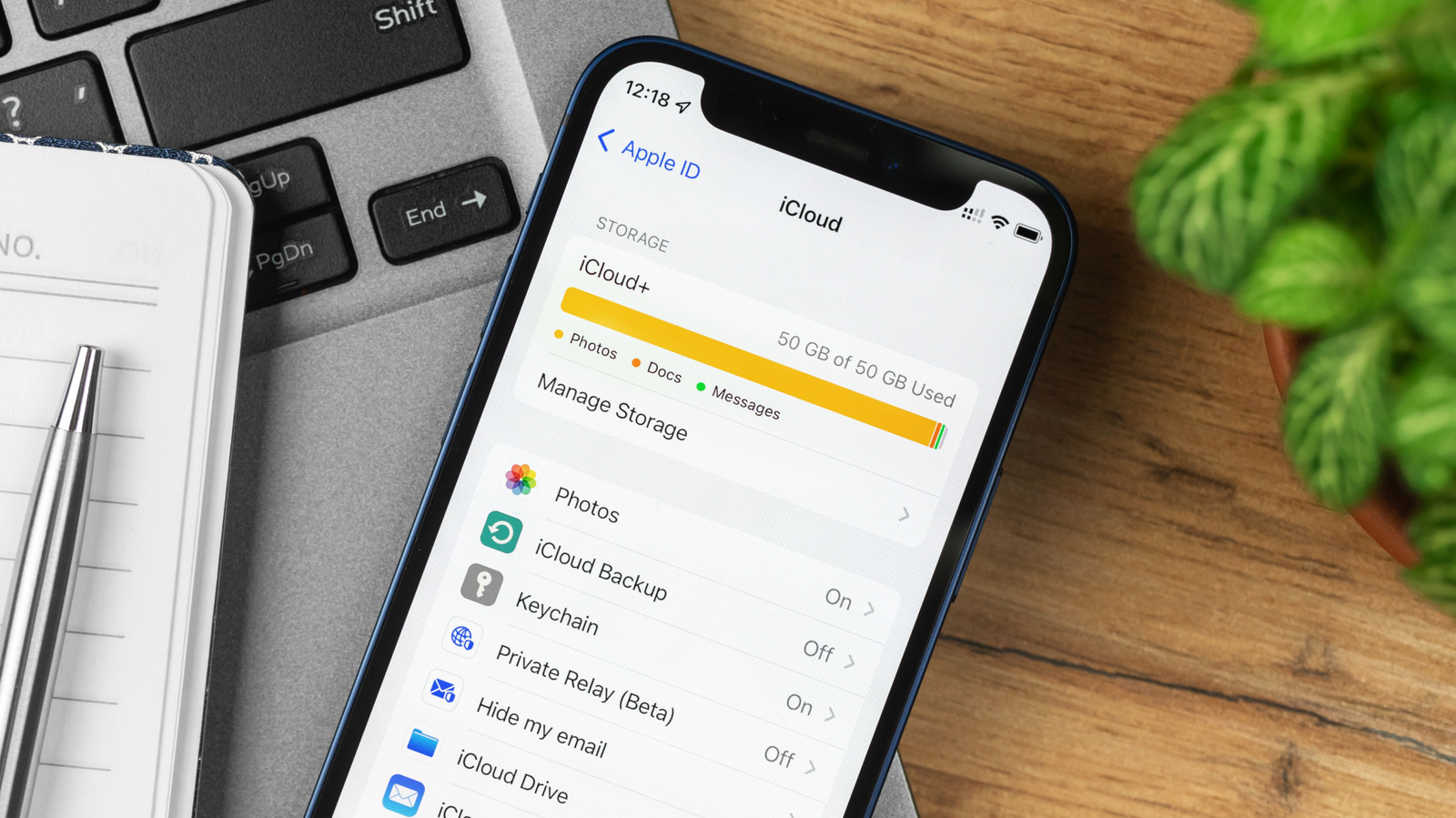
There's a quietly brutal math lesson hiding inside Engadget's iCloud storage guide. The free 5GB tier has been effectively frozen in time since 2011, while the average iPhone user's photo library has grown by orders of magnitude. That's not an oversight—it's a deliberate scarcity. By defaulting iPhones to "optimize storage" and enabling iCloud Photo Library, Apple ensures that hitting the ceiling is a matter of months, not years.
What makes the piece refreshing is its refusal to treat this as a simple utility comparison. It's not about whether 200GB costs more than a hard drive; it's about the friction of leaving. Once your entire photo history, message attachments, and device backups live in Apple's silo, the $2.99/month price tag starts to look less like a service fee and more like a toll booth on a road you can't turn around on. The article rightly points out that Family Sharing and Apple One bundles muddy the math, effectively disguising the storage cost inside a bundle of other services you may or may not want.
The deeper story here is the transformation of hardware profit into recurring software revenue. Apple doesn't need to sell you a bigger hard drive anymore—it sells you a promise, then charges rent on the fulfillment. Competitors like Google once offered free unlimited photo storage as a loss leader and then pulled the rug, proving that "free" was always a temporary hallucination. What remains is a cloud storage landscape where every major platform eventually funnels you toward a subscription, and the Engadget guide does a solid job of demystifying which tier is the least-worst option.
Still, the most valuable insight buried in the article is the reminder that storage anxiety is a design choice. The 5GB ceiling, the automatic backup pauses, the "storage almost full" notifications—these are all intentional friction points. Whether you pay for 50GB or quietly prune your library every few months, you're engaging with a system engineered to monetize your data hoarding instincts. And in that sense, the answer to "is it worth it" is less about value and more about how much you're willing to pay to stop thinking about it.