A Common Plastic Chemical in Pregnancy Is Linked to Autism And ADHD Symptoms – Here's The Full Picture
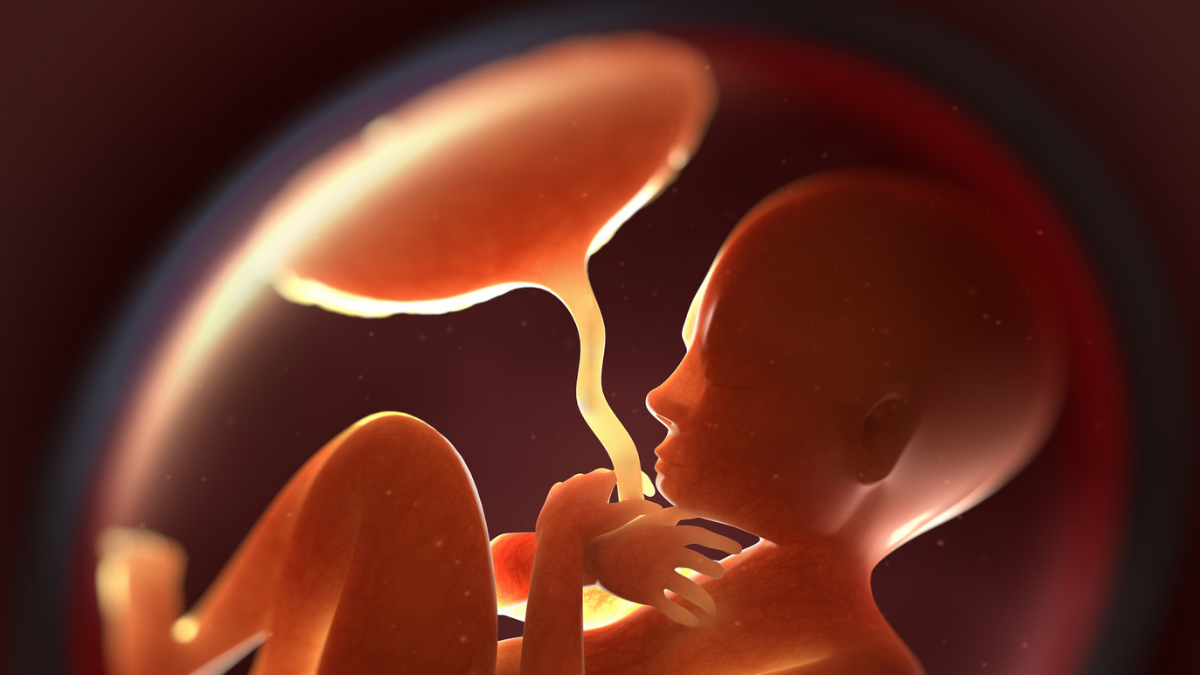
We drink from it, store our food in it, and now we're learning it may be reaching into the womb and reshaping neurological development. There's something deeply unsettling about the idea that the bisphenols in our plastic water bottles are having a chat with fetal gene expression. I don't say this as a scare tactic, just a genuine pause for thought. The correlation between prenatal exposure and later diagnoses of autism and ADHD isn't proof of causation, but it's a whisper worth leaning into.
This sits at the intersection of environmental health and energetic sensitivity, a place where The Veil's readers often feel things before the science catches up. The study offers that full picture the headline promises, which is important. Correlations can be misleading when we strip away context. But I appreciate that it treats developmental differences not as a tragedy, nor as a reason for guilt, but as a data point in a complex web we're only beginning to map.
I'd want to know more about which trimester matters most, and whether certain genetic profiles absorb this influence more than others. That's where the personal agency comes back. We can't control the ubiquity of plastic, but knowing more about how it interacts with our own biology might give us a foothold. For now, I'm left with a familiar feeling: the mundane objects in our kitchens may carry more hidden weight than we ever imagined.