The new Instagram logo is the perfect embodiment of AI slop
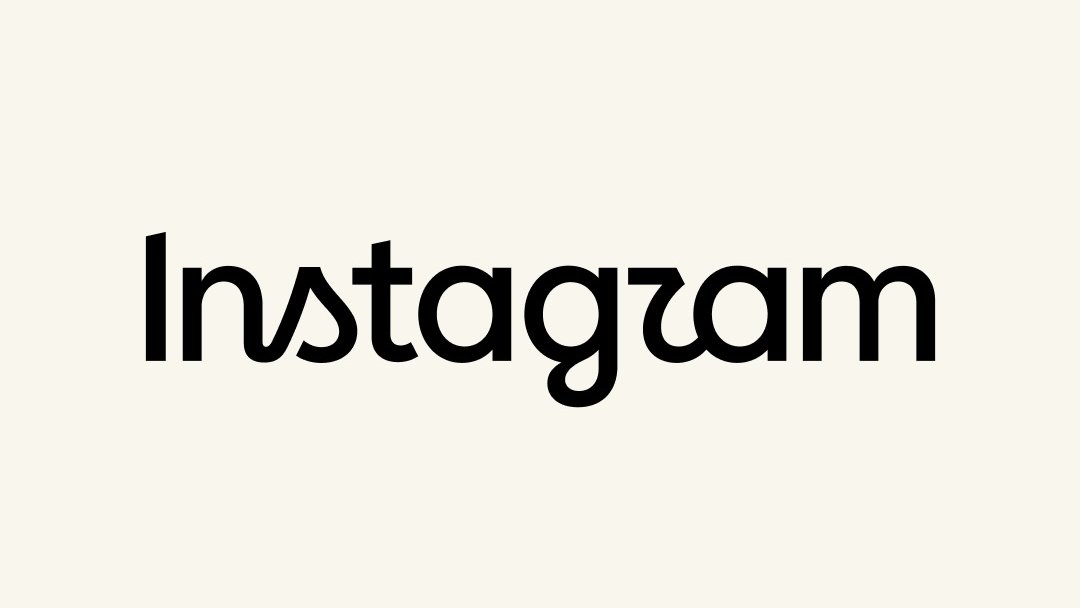
There's something almost poetic about the fact that a human design team, presumably with all the best intentions, produced a logo that perfectly replicates the aesthetic of AI-generated garbage. It's like watching a human try to imitate a robot imitating a human—a hall of mirrors where authenticity has become the rarest commodity. The Instagram wordmark, with its generic sans-serif and flattened geometry, doesn't just look bad; it looks generated, as if it emerged from a latent space of "all logos ever made" and landed on the statistical mean.
This is the real story here, and it's far stranger than a simple design critique. We've reached a point in our cultural evolution where the output of human creativity is being judged against—and increasingly shaped by—the output of machine learning models. When a human designer accidentally produces something that looks like AI slop, it reveals that the algorithm has already colonized our aesthetic instincts. We've internalized the machine's idea of "good enough" so thoroughly that we can't even tell when we're producing it ourselves.
The deeper weirdness is that AI slop isn't just bad design—it's a specific kind of badness. It's the aesthetic of the average, the smoothed-over, the statistically probable. It's what happens when you optimize for "looks like a logo" rather than "means something." And the fact that a major platform like Instagram, which has shaped visual culture for over a decade, would stumble into this territory suggests that the entropy of algorithmic taste is winning. We're not just surrounded by AI slop anymore; we're becoming it.
What's genuinely unsettling is the feedback loop this creates. As more human designers unconsciously mimic AI aesthetics (because that's what clients expect, what looks "modern," what passes for clean), the training data for future AI models becomes increasingly saturated with this self-referential mediocrity. The machine learns from us, we learn from the machine, and the whole system spirals toward a kind of visual gray goo—a uniform texture of acceptable-but-soulless design. The Instagram logo isn't a failure; it's a warning sign, a fossil of the moment we stopped being able to tell the difference between human intention and algorithmic output.