Passion Meets Precision at NASA’s Flight Research Lab
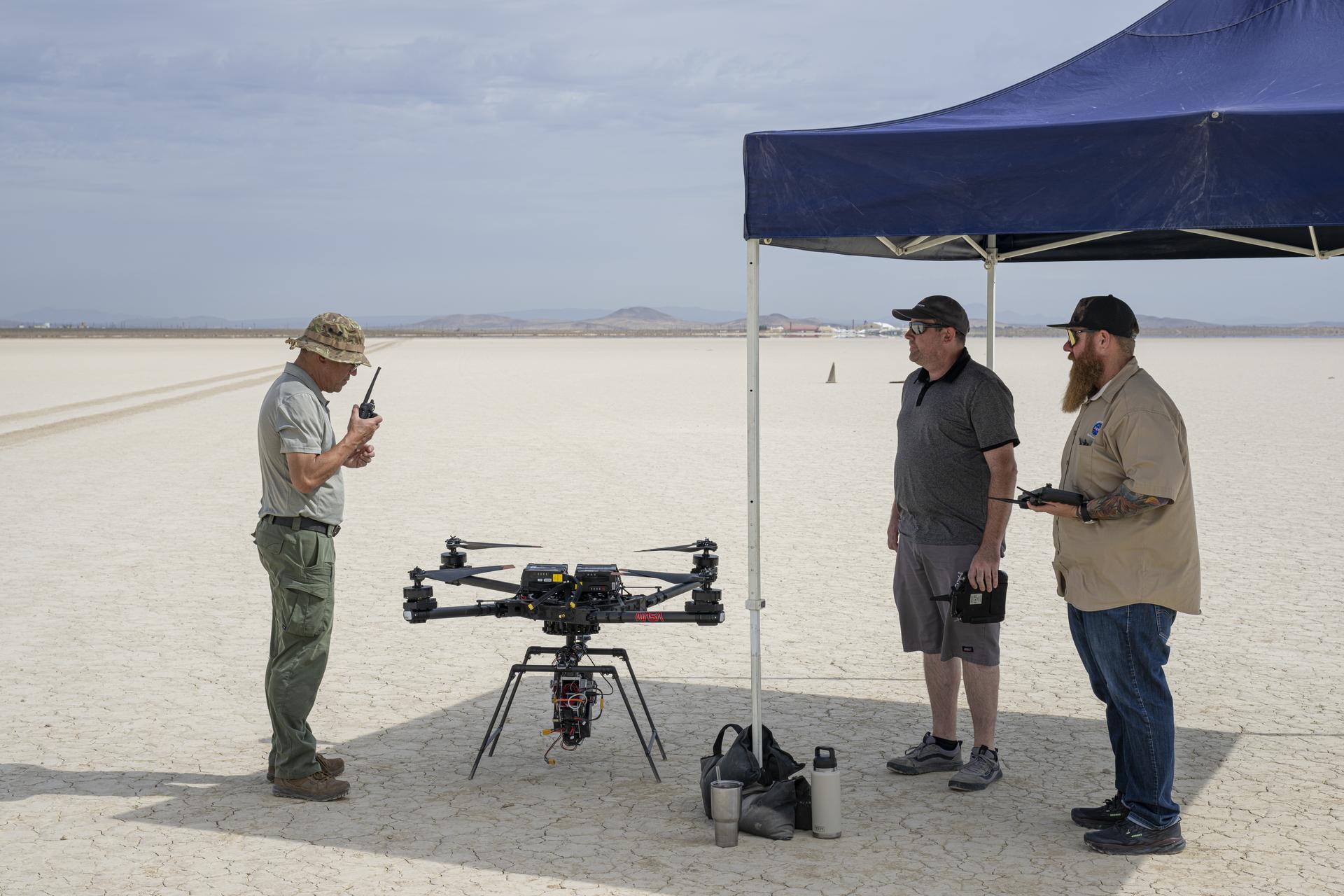
There is a particular magic in watching something you built with your own hands take to the air. The story from NASA’s Armstrong Flight Research Center reads like a fable, but it’s delightfully real: three young hobbyists — Derek Abramson, Justin Hall, and Justin Link — spent their early years in garages and at hobby events, flying radio-controlled aircraft and testing wild ideas. Now that same spirit of tinkering fuels the work at the Dale Reed Subscale Flight Research Laboratory. It’s a narrative that should make every former model-plane enthusiast smile, because it validates every scuffed-up wing and tangled control line.
Subscale flight research is one of aerospace’s hidden superpowers. Before risking a full-size pilot or a multi-million-dollar aircraft, NASA can test radical configurations at small scale. The lab named after Dale Reed — a pioneer of lifting-body aircraft — is where “passion meets precision.” The hobbyists’ hands-on intuition, trimming a wing or balancing a fuselage, becomes genuine engineering judgment. The same instinct that kept a model plane aloft in a park now helps keep experimental aircraft in the sky.
But the deeper wonder here is the continuity of curiosity. These engineers didn’t leave their childhoods behind; they weaponized them. The garage is a gateway laboratory, and the RC transmitter is a first scientific instrument. NASA’s story reminds us that innovation is not a sudden flash of genius but a long, joyful conversation between play and precision. If you want to know where the next breakthrough comes from, look to the nearest park on a windy Saturday — the future of flight may be flying in circles, just for the sheer love of it.