Florida Orders Cops to Get the Flock Off Its State Highways
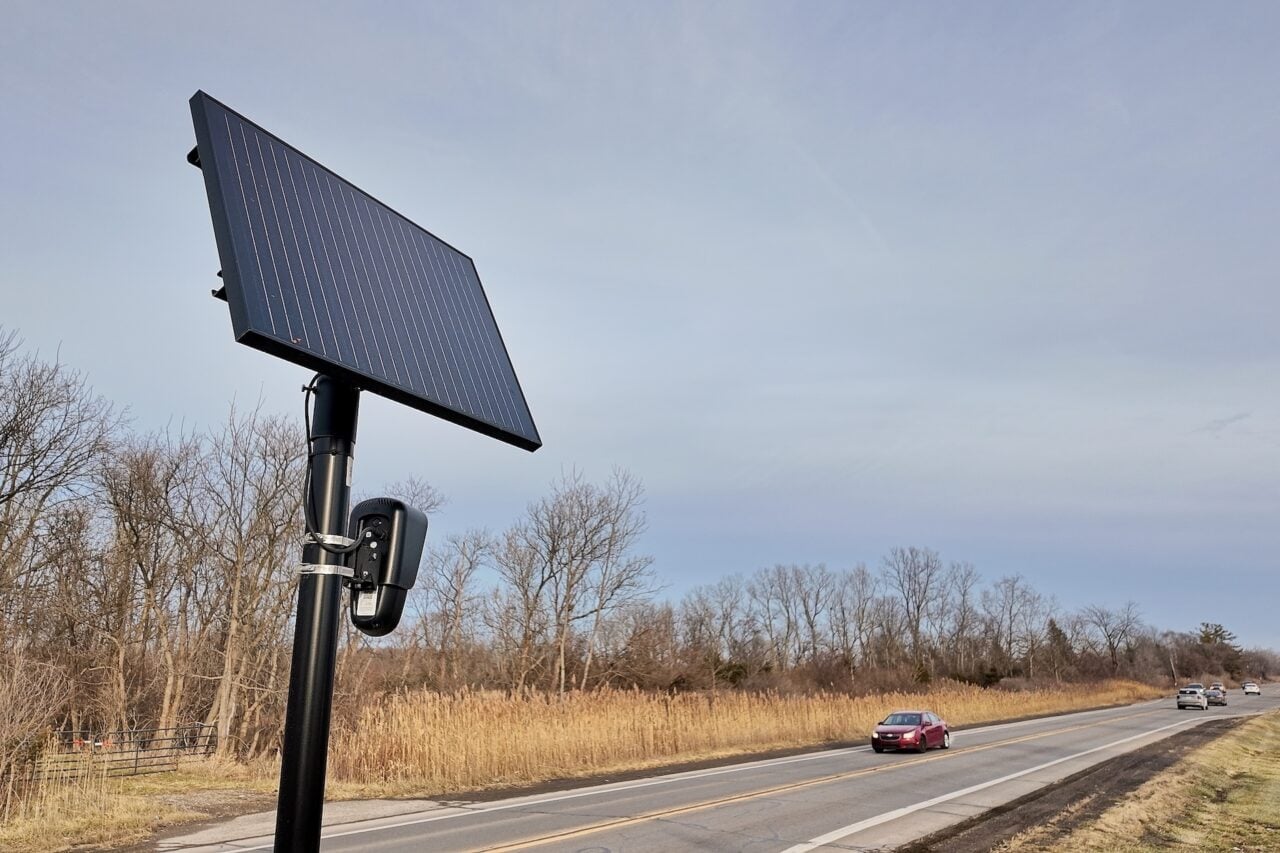
There's a certain poetry in the phrase "get the flock off," as if the highways themselves are a sacred space being desecrated by too many badges and too few sense. The Gizmodo report captures a moment where the state's own machinery turns on itself—not through revolution, but through administrative order. In speculative terms, this is the plot of a dystopian novel where the surveillance grid is dismantled not by rebels, but by the accountant who realizes the grid costs more than it saves.
We're watching a real-world experiment in the economics of enforcement. When Florida tells its cops to stop, it's asking a question that science fiction has been chewing on for decades: what happens when the guardians of order are told to look the other way? The answer, in the short term, is likely more reckless driving, more chaos, more "Florida Man" moments. But the deeper implication is that order itself is a commodity—one that can be priced, rationed, and ultimately withdrawn.
What's striking is the arbitrariness of it all. The directive comes from above, a top-down decision that treats the highway patrol like a light switch. This is the same logic that governs AI governance frameworks, drone strike authorizations, and the great digital curfews of our imagined future: the power to command is the power to un-command. The state giveth the flock, and the state taketh it away.
For readers of Starfall Weekly, this is a reminder that the most futuristic technologies—autonomous patrols, predictive policing, smart highways—are still subject to the whims of human bureaucracy. The flock isn't just birds; it's the swarm of enforcement that can be dispersed with a single memo. And when it disperses, it leaves behind a vacuum that someone—or something—will fill.
The question we should be asking isn't whether Florida made the right call, but what happens when the next order comes. If the state can turn off its cops, it can turn off anything. That's a future worth watching.