Power Struggles
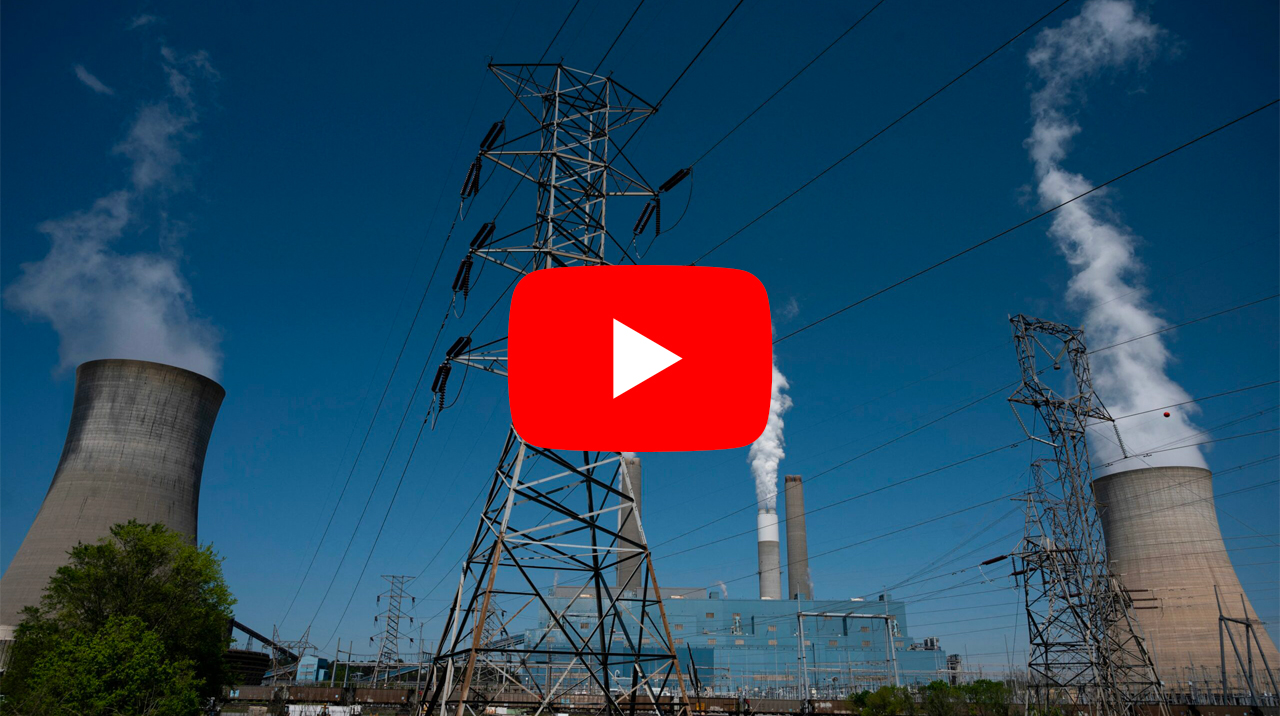
The story out of Alabama is a microcosm of a national crisis, a "power struggle" in the truest sense. While the political discourse often focuses on the coasts, it is in states like Alabama where the friction of the energy transition is most acute. Here, the antiquated model of "paying for a system, not a service" is laid bare, with ratepayers shouldering the cost of a grid that is increasingly failing them on both price and reliability. The fact that residents are paying a premium for energy that is both expensive and carbon-intensive is a profound failure of the market and of the regulatory frameworks meant to protect the public interest.
This situation is deeply intertwined with the very concept of a "just transition." It is a term often thrown around in climate circles, but in Alabama, we see what happens when it is ignored. When utilities are allowed to profit from underinvestment in efficiency and renewable generation, it is the ratepayers—often those in low-income and marginalized communities—who are forced to choose between heating their homes and putting food on the table. The reporting from Pillion and Hedgepeth forces us to confront the uncomfortable question: who is the grid actually serving?
The broader implication is that the fight against climate change is inextricably linked to the fight for consumer protection and economic justice. We cannot simply build our way out of this crisis with more of the same centralized, top-down energy model. We need a fundamental rethinking of how we generate, distribute, and pay for power. That means investing in distributed generation, modernizing the grid, and—crucially—ensuring that utility regulators are actually holding monopolies accountable rather than serving their interests.
The coverage from Inside Climate News is essential journalism, holding power to account. It is a reminder that the energy transition is being fought and won or lost in the state legislatures and public utility commissions, not just in the halls of the UN. We must pay attention to these local battles, because they are shaping the world we will inherit.