Ozempic may have revealed the brain’s hidden “craving center”
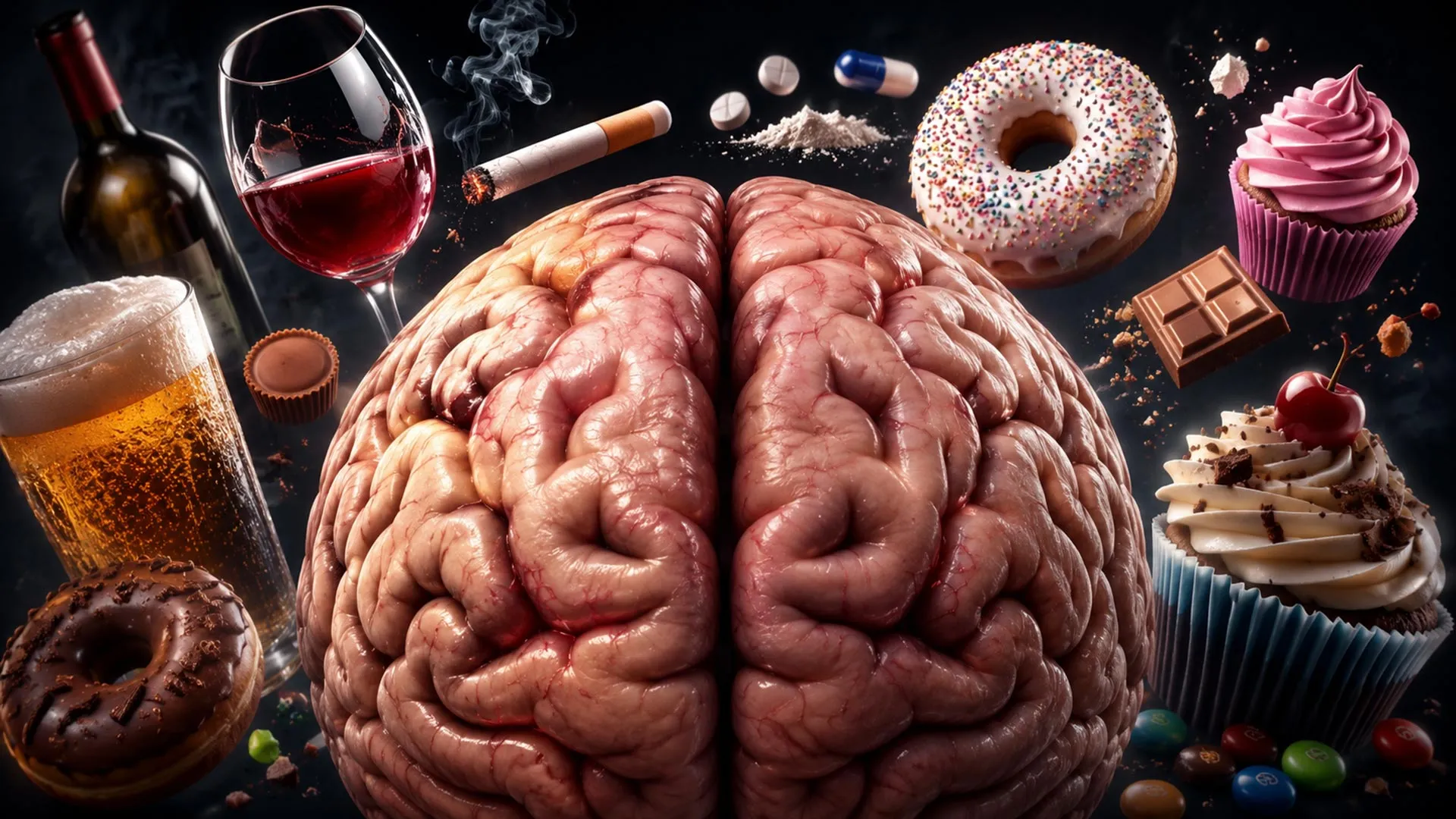
For years, we treated obesity as a war of the waistline—a battle of plates, portions, and sheer willpower. But this breakthrough suggests we've been fighting the wrong organ entirely. Ozempic-like drugs, per research flagged by ScienceDaily, aren't just blunting hunger; they're reaching into the brain's lateral septum, a quiet circuitry that binds memories to reward. That turns weight loss on its head: the real enemy may not be appetite, but the very wiring of desire.
Here's why this matters beyond the clinic. If one compound can trace a thread from a donut to a drink to a habit, we're no longer treating obesity and addiction as separate diagnoses. We're looking at a unified switchboard of compulsion—a hidden 'craving center' that could crack open new therapies for alcoholism, gambling, and anxiety-driven behavior. That's not a pharmaceutical footnote; it's a paradigm shift.
But let's stay vigilant. In blurring 'craving' with chemistry, we risk pathologizing human longing itself. Are we healing addiction, or remaking what it means to want?