Scientists Successfully Test Underwater Solar Cells 32 Feet Below The South China Sea
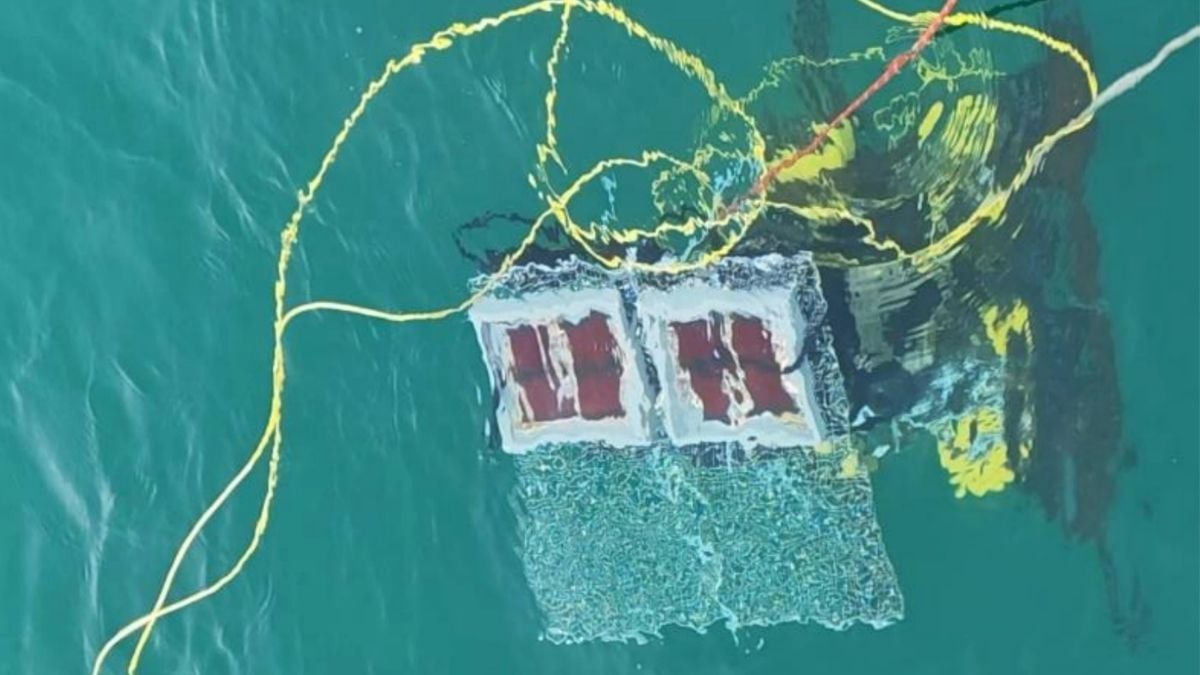
Thirty-two feet down isn't the deep ocean, but it's deep enough to have been written off. Light fades fast in seawater, which is why solar cells working at all below the surface has always felt like a contradiction. The fact that they're quietly generating power in the South China Sea rearranges an assumption I didn't realize I was holding.
I think what draws me in is less the engineering and more the principle. We treat limits as fixed points, but every so often someone goes poking at one and finds it was more of a suggestion. That has a familiar ring to it for anyone who's ever been told a certain kind of energy work or perception is impossible. The ocean still gets most of its light near the top, but it turns out there's room to work a little deeper than we thought.
I'd want to know more about efficiency and whether this scales beyond a test. The ocean is a living system, not just a battery, so I hope whoever's pushing this forward is also asking what it costs the place itself. For now, I'm enjoying the reminder that the boundaries we draw around energy are often just the ones we got used to.