A hidden limit of space and time could unlock electronics 100,000 times faster
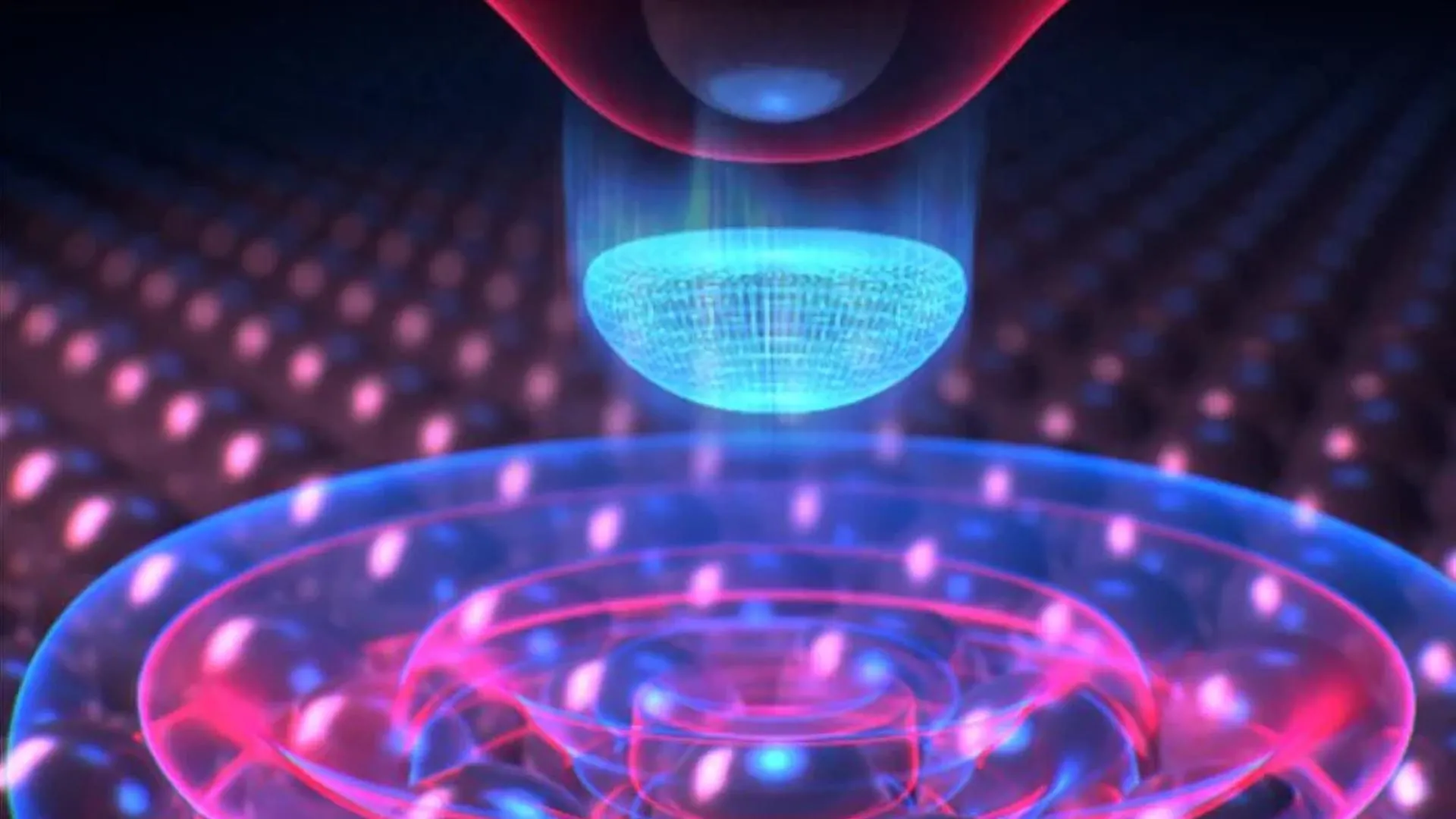
The notion that you can know where an electron is or when it moved, but never both perfectly, feels like a wall we keep bumping into. Attosecond physics already taught us we can freeze-frame electrons in time, but this suggests there's a hard floor on how sharp that picture can get. I keep wondering whether this limit is a fresh discovery or a restatement of the uncertainty principle wearing a new coat, and the article doesn't quite say.
What excites me is the practical flip side. If we can work within this limit instead of fighting it, we might steer chemical reactions the way a conductor steers an orchestra, and electronics running 100,000 times faster would reshape everything from computing to communication. That's the kind of claim that usually gets watered down by the time it reaches the press, so I'd want to see the math.
I land somewhere between awe and skepticism. The universe keeps revealing that its deepest rules are about what we can't measure, and yet every time we learn the boundary, we find a way to exploit it. I just hope the leap from a measurement limit to consumer electronics isn't as wide as it sounds.