A WW1 Submarine Wreck Is Leaking Explosives Into The North Sea
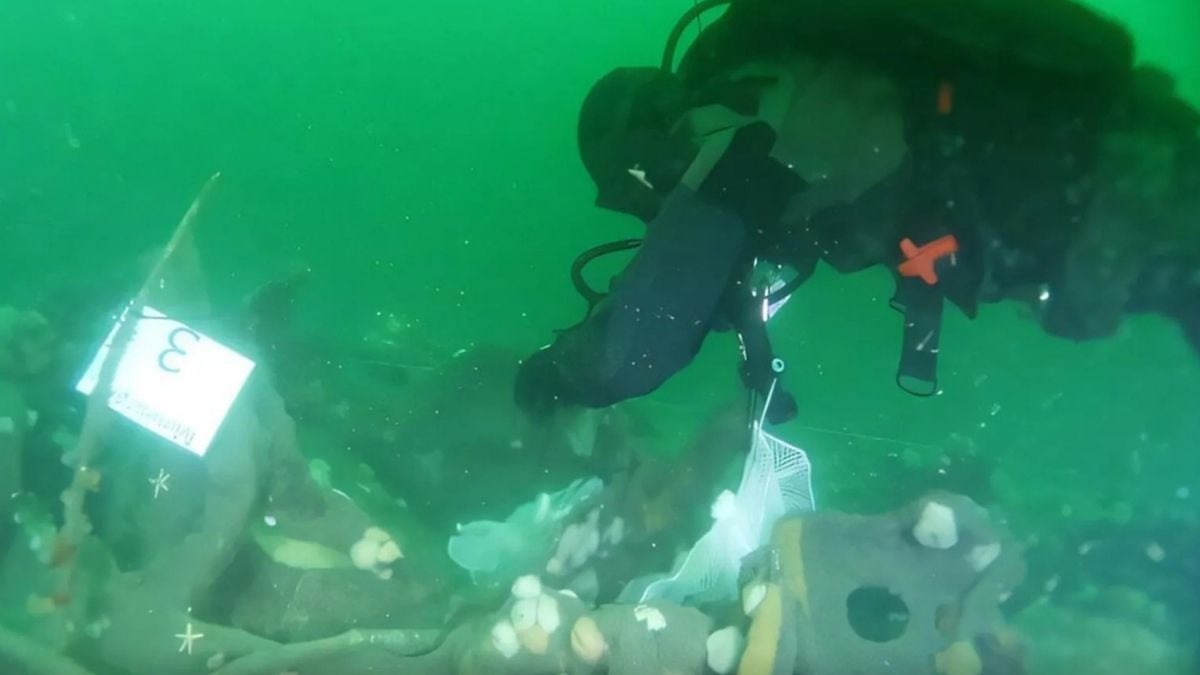
There's something profoundly unsettling about a weapon that outlives its war. We tend to think of conflicts as events—bounded, finished, sealed away in history books. But the North Sea tells a different story. It's a vast underwater graveyard of ships, submarines, and unexploded ordnance, a battlefield that never really ended. Now, one of those wrecks is speaking up, leaking TNT and other explosives into the water column like a ghost refusing to be exorcised.
What makes this so fascinating—and so weird—is the timescale. These explosives were manufactured over a century ago, designed for a war that ended before anyone's grandparents were born. Yet here they are, chemically intact enough to pose a real environmental threat. The ocean, it turns out, is an extraordinary preservative. Cold, dark, low-oxygen conditions can keep organic and chemical compounds in a kind of suspended animation. The submarine isn't just a wreck; it's a sealed vault of toxic history, slowly corroding open.
The ecological implications are sobering. The North Sea is one of the busiest marine environments on Earth—home to fisheries, shipping lanes, and a delicate web of benthic life. A slow leak of explosives like TNT doesn't just vanish; it enters the sediment, the water, the food chain. The toxic legacy of war isn't just a metaphor. It's measurable, it's chemical, and it's creeping outward from the wreck like ink in water.
But there's also something strangely poetic here. The submarine represents the pinnacle of early 20th-century military technology—a machine designed for stealth, destruction, and secrecy. Now it's become an inadvertent scientific experiment in long-term environmental contamination. We built it to sink ships; a century later, it's sinking its toxins into the seabed. The irony is almost cosmic. As reported by ScienceAlert, this is a story about how human violence leaves fingerprints on the Earth that far outlast the conflict itself.
Ultimately, this wreck is a memento mori from the deep. It reminds us that the Anthropocene is not just about climate change and plastic—it's also about the military-industrial debris we've scattered across the planet. We like to think of the ocean as a place of mystery and wonder, and it is. But it's also an archive, a mausoleum, and sometimes, a ticking clock.