The Dark Matter Detector in the Scottish Borders
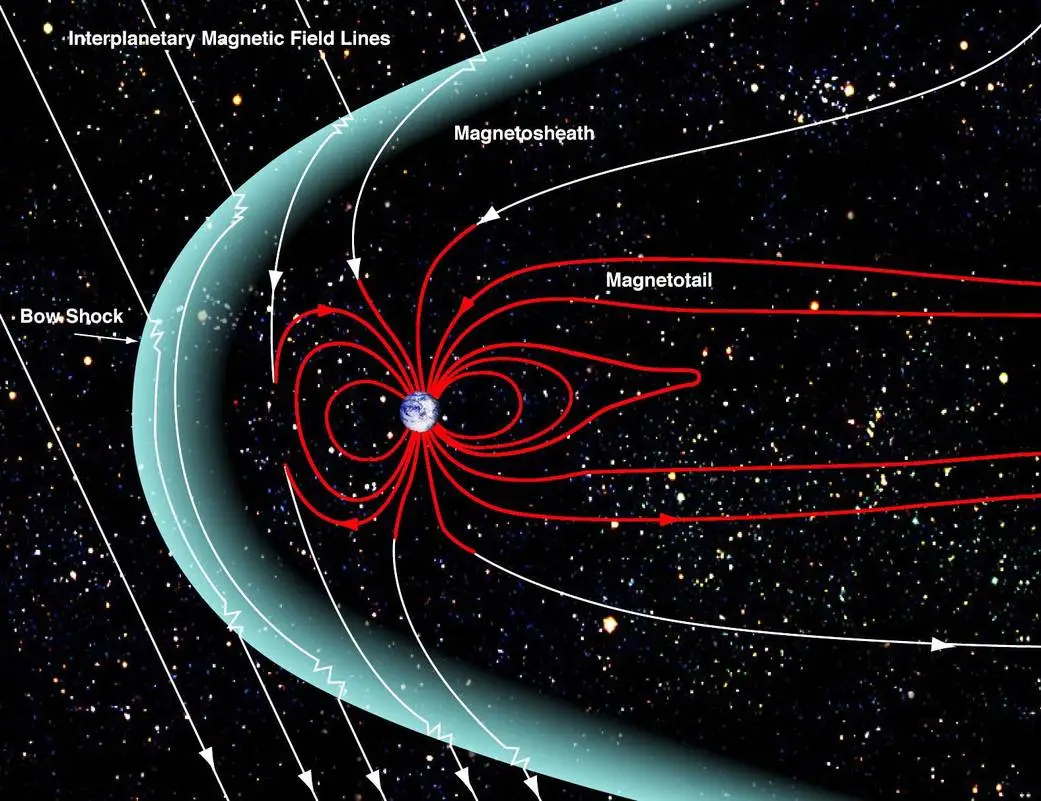
We’ve spent decades building cathedrals to dark matter—buried xenon tanks, lorry-sized magnets, billions in engineering. But the most radical instrument may be one we’re already standing on.
A Japanese team has realised that Earth’s magnetic field dwarfs anything we can fabricate, while the gap between ground and ionosphere behaves like a natural resonating cavity, ringing at roughly eight cycles per second. Instead of constructing a detector, they propose listening to the planet itself. The Scottish Borders becomes the unassuming address for a cosmic-scale experiment.
This matters because it flips the old logic: stop scaling up our machines, and start using the universe’s own hardware. Dark matter hunts have always been a feat of human construction; this approach treats nature as the instrument. It signals a shift toward astro-geophysics—where Earth’s field, Jupiter’s magnetosphere, or a quiet valley might reveal what our clean rooms never could.
The dark matter is out there, humming at eight hertz. We just have to learn to sing along.