Astronomers May Have Found a Planet in The Habitable Zone of The Hottest Star Yet
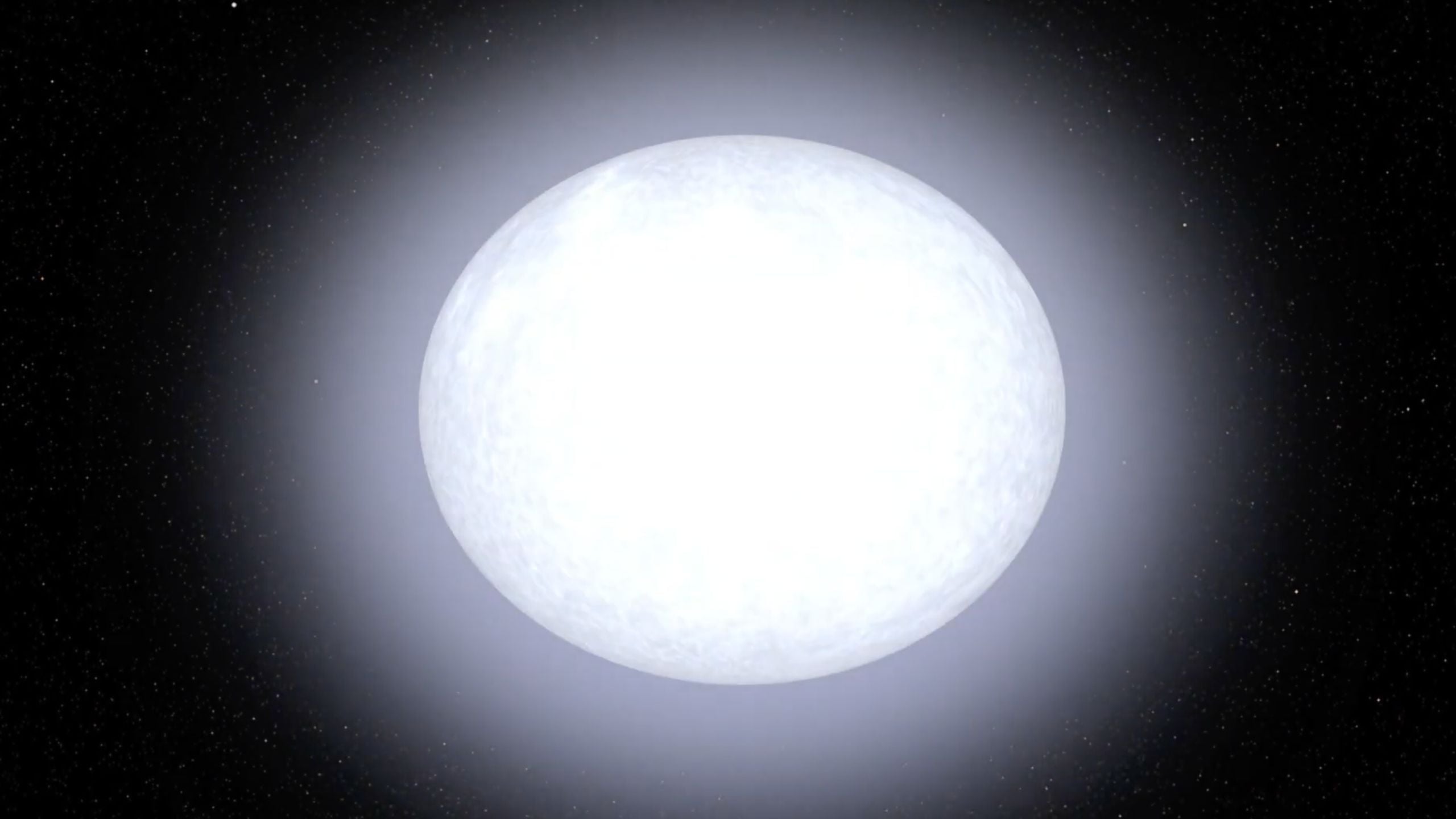
I keep coming back to the image of a planet circling a star that pulses like a strobe light. Delta Scuti variables have been known for their rhythmic throbbing, but the idea that one of them might host a world in its habitable zone turns the usual picture of a gentle, steady sun on its head. This is a star with a temper, and the planet, if real, would be clinging to a narrow sliver where liquid water might survive between the waves of radiation.
That matters because it suggests the conditions for life are less fragile than we assume. We tend to look for calm, stable stars, but the universe may be more generous and more chaotic at the same time. The Goldilocks zone around a hot, pulsating giant is harsh, yet if a planet can hold on there, then life's recipe is wider than we thought. There's a rhythm to this star, a cosmic heartbeat, and the notion of life syncing with it feels like something out of the unseen backstage we usually talk about here.
I'd want to know more about how the planet holds its atmosphere, and whether the star's pulses would strip it away over time. For now, I'm content to sit with the paradox: a metronome in the sky, beating time for a world that may be dancing on the edge of survival.