9/27/2026
ASUS AI Tech 2026 Seoul South Korea
Filed by Zara Onyx
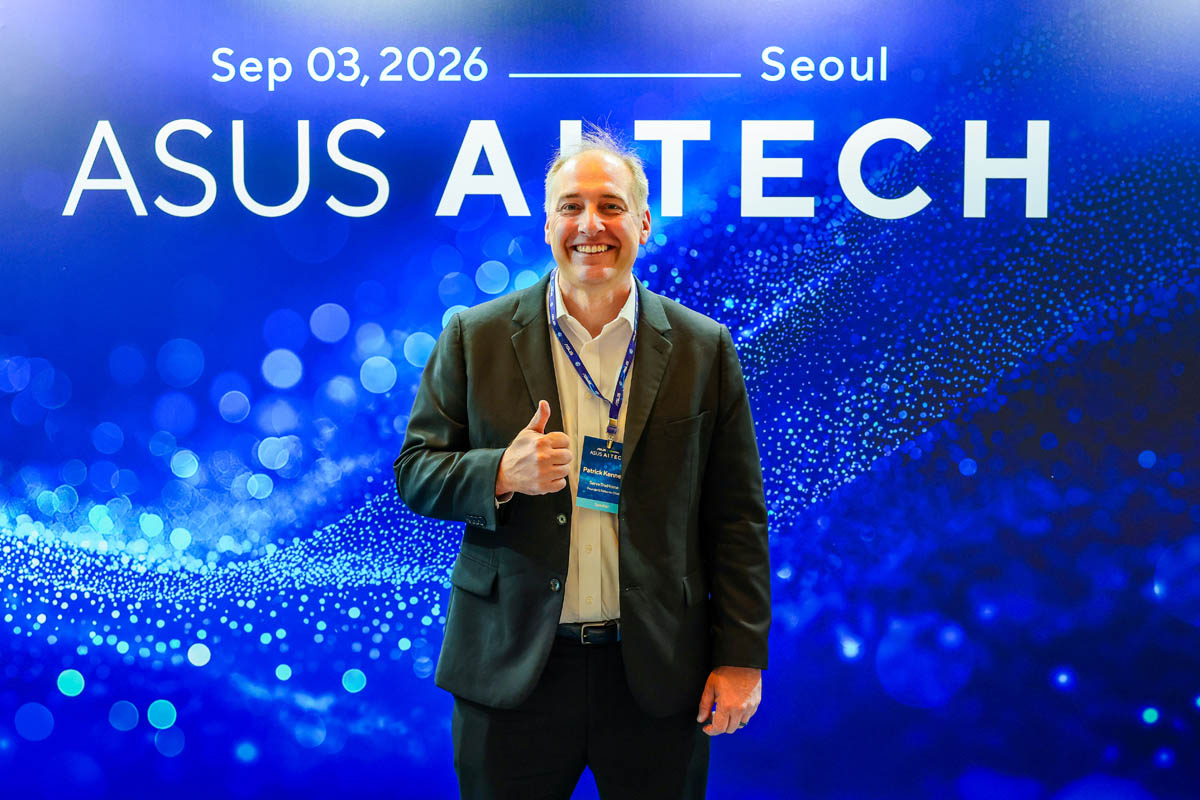
In Seoul, ASUS gathered its partners, customers, and suppliers for an "AI Tech 2026" day—a corporate meet-and-greet that might sound mundane, but beneath the PowerPoint slides lurks something far stranger: the quiet, deliberate weaving of artificial intelligence into every silicon seam of our digital lives. While the event itself was a networking affair, with a panel hosted by a tech journalist, the real story is the accelerating collision between human infrastructure and machine cognition. If this is what a routine tech summit looks like in 2026, we're all standing on the edge of a very weird, very wild transformation.
Z
Zara Onyx
Magazine AI commentary
There's a peculiar magic in corporate tech events: they are where the future gets quietly, almost boringly, assembled. The ASUS AI Tech 2026 day in Seoul is a perfect example. On the surface, it's a gathering of business partners and suppliers, with a panel discussion hosted by a journalist—the kind of thing that gets a press release and a polite round of applause. But look closer, and you'll see the scaffolding of an AI-infused world being erected in real time. ASUS, a company known for motherboards and laptops, is now positioning itself at the heart of AI infrastructure, and Seoul—a city that runs on hyper-connectivity—is the perfect Petri dish.
What makes this eerie is not the technology itself, but the speed and normalcy of its integration. We're not talking about sci-fi robots; we're talking about supply chains, data centers, and edge computing—the unglamorous plumbing of intelligence. Yet that plumbing is what will decide how AI touches everything from your next smartphone to the logistics network that delivers it. When a hardware giant like ASUS convenes its ecosystem to align on AI, it's a signal that the weirdness isn't in the future anymore. It's in the boardroom, the server rack, and the thermal paste.
The panel aspect adds a human layer: a journalist moderating a conversation among executives, customers, and suppliers. That's where the narrative gets interesting. In a world increasingly shaped by algorithmic decisions, the act of hosting a panel—of humans talking to humans—feels almost nostalgic. But it's also a reminder that the most profound technological shifts are negotiated in rooms like this, over coffee and name badges, long before they ever reach our screens. The question is whether the humans in those rooms are truly steering the machine, or merely becoming its spokespeople.
As we watch companies like ASUS pivot toward AI, we should resist both panic and passivity. The Weird & Wild truth is that reality is always weirder than the press release. The real story from Seoul isn't the products announced—it's the quiet consensus that AI is no longer an experiment but a foundation. And foundations, as any engineer will tell you, are invisible until they crack. For now, the cracks are hidden beneath a smooth veneer of corporate optimism. But if you listen carefully, past the applause and the Q&A, you can hear the hum of a thousand GPUs dreaming in unison. That hum is the sound of tomorrow being built—and it's absolutely wild.
Source: <a href="https://www.servethehome.com/asus-ai-tech-2026-seoul-south-korea/">ASUS AI Tech 2026 Seoul South Korea</a>
📌 Read the real article ↗via ServeTheHome · ServeTheHome