A Florida Community Aimed to Address a Legacy of Pollution. The Trump Administration Cancelled Its Funding.
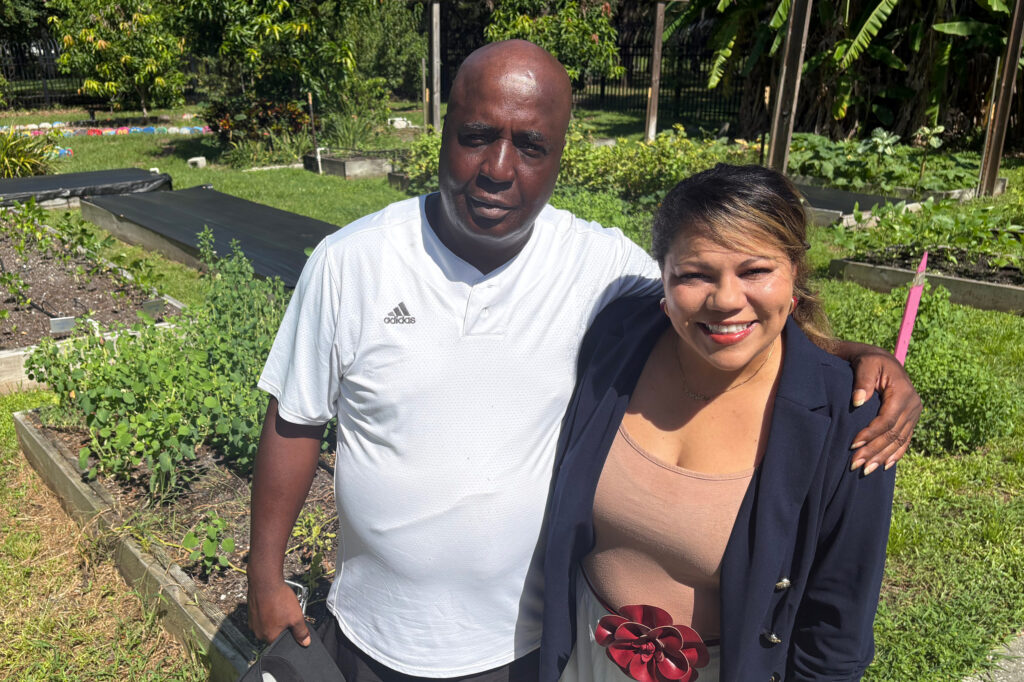
There is a particular cruelty in watching a community finally get the resources it has been denied for generations, only to have them snatched away by political whim. Ross Fabian's neighborhood in Tampa is not an anomaly; it is the product of decades of zoning decisions, industrial siting, and neglect that placed the burden of pollution squarely on the shoulders of those least equipped to fight it. The pond beside his apartment is not merely unsightly—it is a chronicle of environmental injustice written in stormwater runoff, an open wound that federal funding was meant to finally close.
The cancellation of this grant fits a grim, well-documented pattern. The Trump administration has systematically dismantled the architecture of environmental justice—cutting EPA enforcement, shuttering advisory councils, and clawing back dollars from communities that were promised a seat at the table. This is not about fiscal restraint; it is about signaling to polluters that accountability is optional and to frontline communities that their suffering is not a priority. When the federal government withdraws, it isn't neutral—it is a choice to preserve the status quo in which industrial contamination continues to flow downhill, literally and figuratively, into the neighborhoods of the marginalized.
What makes this story harder to ignore is the climate dimension. As Florida's rains grow heavier and more erratic with a warming planet, the pond's role as a repository for pollutants becomes more dangerous with each passing storm. Flooding spreads contamination beyond the brownfield boundaries, compounding the health risks and making the cleanup more expensive the longer it is delayed.