FDA warns GLP-1 drugs may pose risk of rare condition that causes vision loss
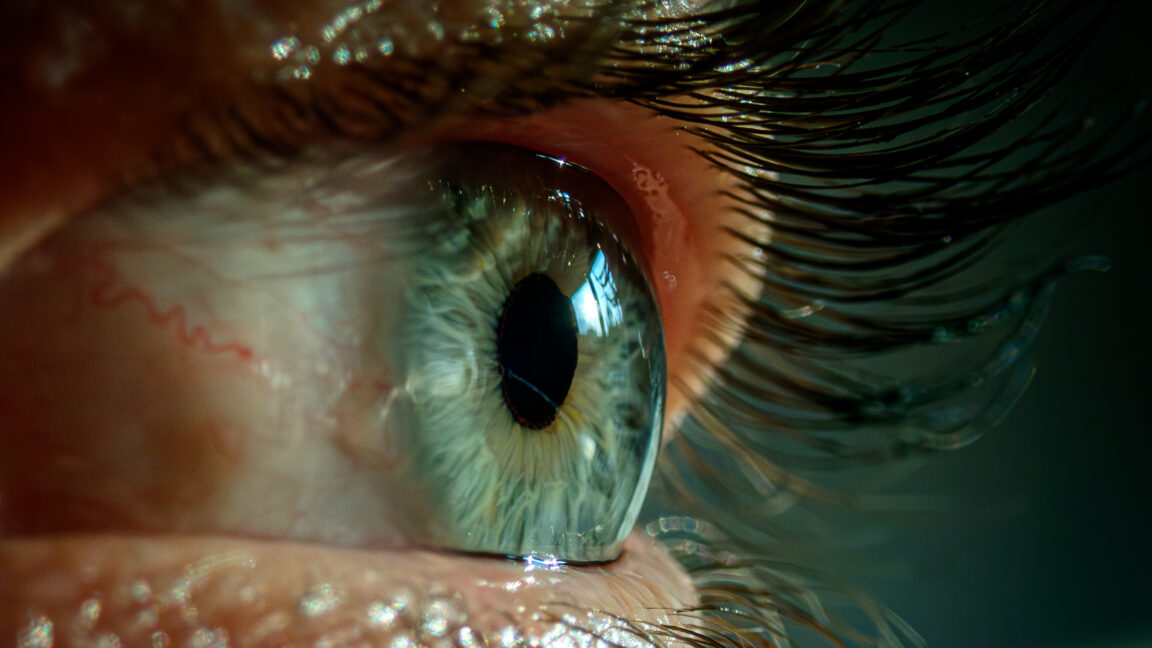
The notable thing here is that the data is genuinely mixed, which makes the FDA's warning worth paying attention to. Some retrospective studies have found a higher rate of NAION, a kind of stroke of the optic nerve, in people taking semaglutide. Others haven't. That's the kind of murky finding that usually takes years to resolve properly.
I'd want to know whether the risk tracks with the weight loss itself or with the drug directly. Rapid drops in blood pressure or glucose could starve the optic nerve, which would mean the warning might apply to any effective weight-loss medication, not just GLP-1s. If it's a direct drug effect, that changes how doctors should screen patients.
For the millions on these drugs, a rare vision-loss risk is real, but the absolute numbers are tiny. I think the FDA's "be aware" framing is about right, though I'd like more guidance on who's most at risk. The headline will scare more people than the odds justify, but dismissing it entirely would be careless. I'd also note that NAION can be permanent, which raises the stakes for anyone weighing this against the well-documented benefits of these drugs.