The Climate Hero Hiding Beneath the Ocean’s Surface
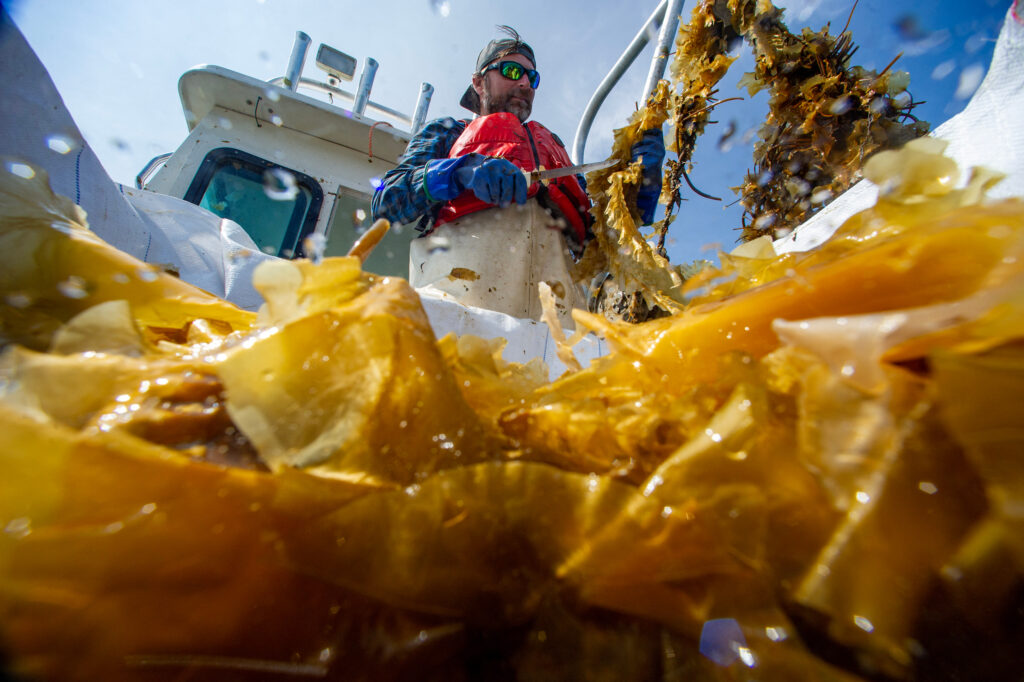
I keep thinking about that figure: nearly a million square miles of kelp, roughly the size of Argentina, and most people have never given it a second thought. We talk endlessly about rainforests as the lungs of the planet, but these underwater forests are doing comparable heavy lifting, pulling carbon out of the water and giving cover to everything from juvenile fish to sea otters. And they're vanishing in ways that are hard to see from the surface.
What worries me is how quietly this collapse has been happening. Marine heatwaves cook the water, and in places like Northern California, 95 percent of the bull kelp has already disappeared, replaced by sea urchin barrens. The interview with Helvarg frames this as an ecological story, but it's also an economic and social one, because coastal communities that depend on these ecosystems for fishing and tourism are watching their livelihoods erode with the tide.
I'd want to know more about what restoration efforts are actually showing. There are groups replanting kelp and experimenting with urchin culling, but scaling that up to cover a million square miles feels daunting. Still, kelp grows fast, some species can stretch several feet in a single day, which means it might be one of the more recoverable ecosystems we have, if we act before the next big heatwave hits.