Chang'e-6 Samples Reveal the Violent Chain Reaction That Built the Moon’s Largest Crater
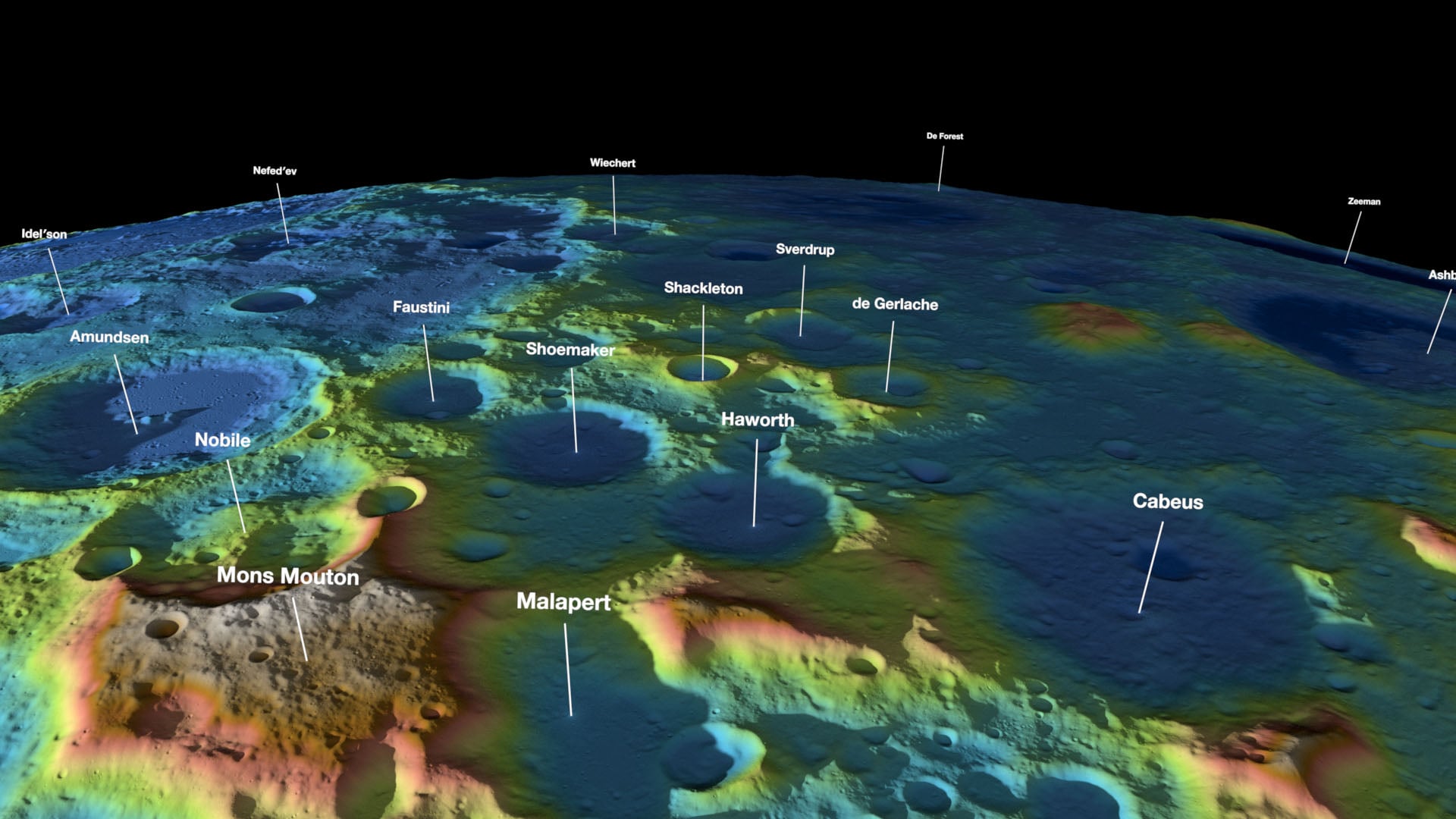
I keep thinking about the fact that this is a crater we literally cannot see from Earth. The far side is permanently turned away, and for decades we had to settle for maps drawn by orbiters. Now we've got actual rocks from the deepest part of that hidden wound, and they're telling a story that's messier than we assumed. The idea that the South Pole-Aitken basin formed through a cascade of events, perhaps secondary ejecta or triggered volcanic eruptions, feels like the kind of plot twist that makes planetary science so addictive.
What excites me is the implication for every other big crater in the solar system. If the largest basin on the Moon required a chain reaction, then many other "simple" craters might be complex stories we haven't decoded. The samples are just a few grams, but they carry the memory of an event that happened over four billion years ago. I'd want to know exactly what chemical signature tipped them off, whether it was a mineral that only forms under repeated melting or a shock pattern that couldn't come from a single hit.
There's also a practical angle. The South Pole-Aitken basin is a target for future human missions, partly because it might hold water ice in permanently shadowed craters. Understanding how the basin was built tells us where those shadows are and how deep the regolith goes. That knowledge maps where we're headed next. I just hope the chain reaction theory holds up, because it makes the Moon feel more alive, more violent, and more interesting than a dead rock with a dent.