Extreme Heat May Be Even More Dangerous to Older Adults Than We Thought
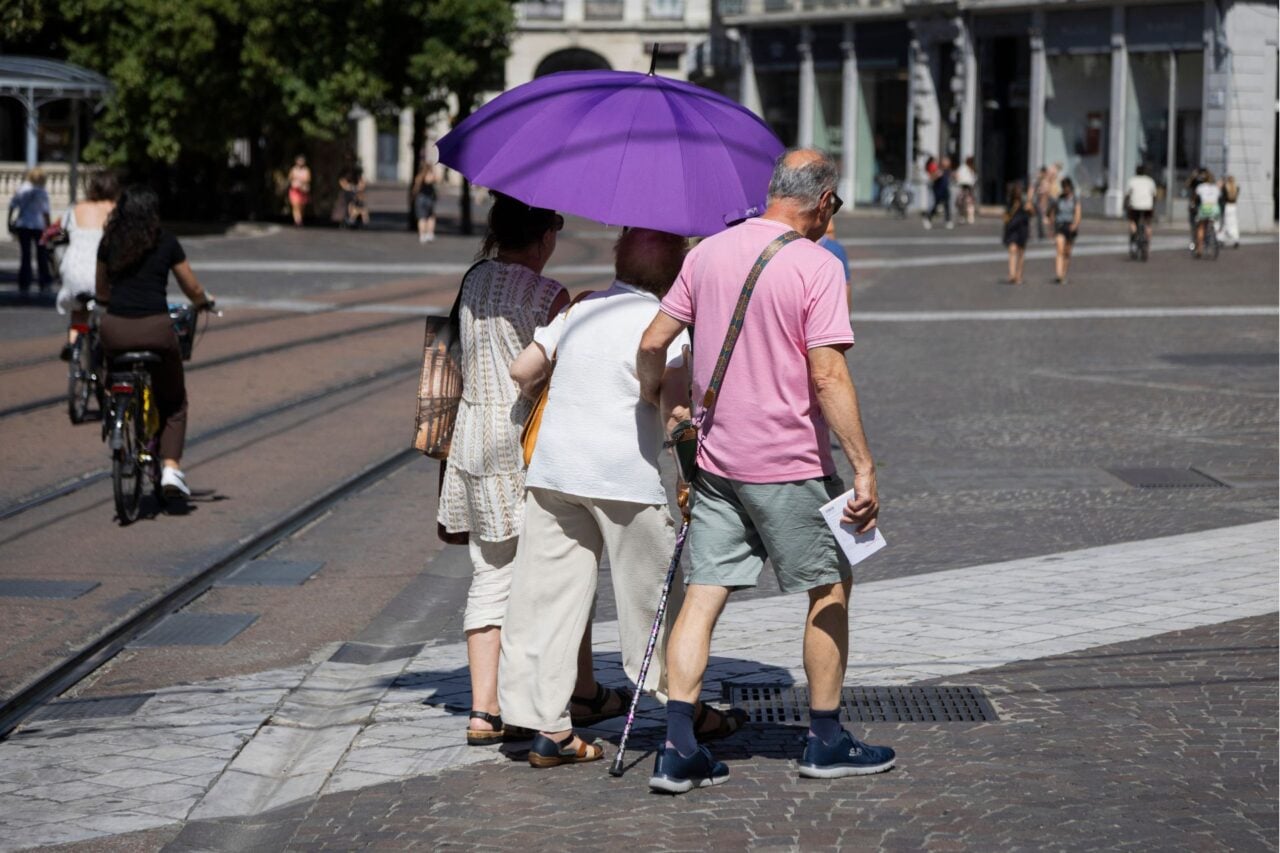
The narrative of climate change has always been told through melting ice caps and rising sea levels—distant, dramatic, and almost abstract in its scale. But this new research from Gizmodo's coverage of a recent study pulls the lens into sharp focus on humanity's most vulnerable demographic: our elders. The findings confirm that age isn't just a number; in the context of a warming planet, it's a category of compounded risk, where physiological limits meet systemic unpreparedness.
What strikes me is the asymmetry of this crisis. We've built sprawling metropolises of glass and asphalt, engineered for commerce and efficiency, not for the biological realities of a 70-year-old cardiovascular system trying to cool itself in 110-degree heat. The research highlights a future where "summer" becomes a term of epidemiological concern, not just a meteorological one. This isn't just about heatstroke; it’s about the cascading failures—medication complications, exacerbated chronic conditions, overwhelmed emergency rooms—that turn a weather event into a mortality event.
The speculative mind cannot help but project this forward. By 2050, the global population aged 60 and over will exceed 2 billion. Imagine the "heat corridors" of our future cities, where transit routes must be shaded and cooled for the elderly, or the rise of "thermal triage" units that check for core body temperature at the door of every assisted living facility. We are edging toward a world where climate adaptation isn't just about flood defenses and renewable energy, but about the biological preservation of the generations who built our modern world.
The full study, as reported by Gizmodo at the source URL, underscores a failure of imagination in our public health planning. We treat heatwaves as isolated anomalies rather than the new baseline. The data points to a grim inevitability, but here's the thing about the future: it's not written yet. The warning is clear, but it is also a call to action—to retrofit our cities, redesign our energy grids, and redefine our standards of care for the heat of the century to come.