Less Than 42 Minutes of Bright Light Daily Is a Stronger Predictor of Dementia Than Obesity, Study Finds
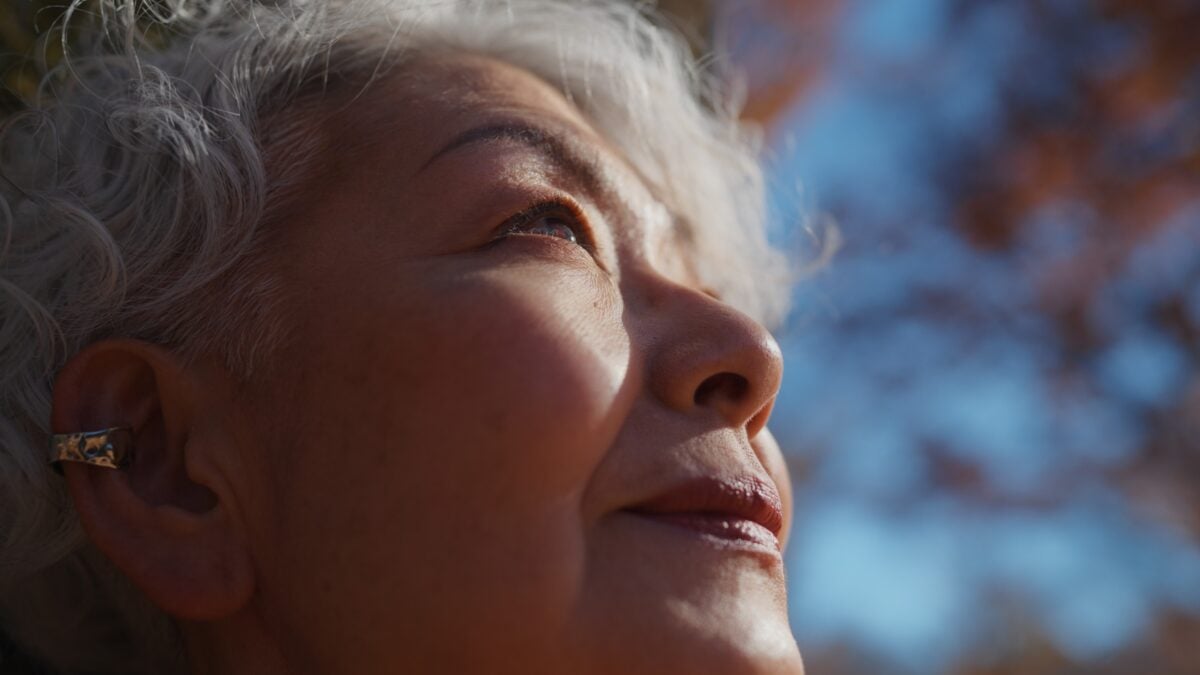
I keep thinking about how we obsess over diet and exercise numbers—steps, calories, BMI—while the light around us goes unmeasured. The fact that a brighter daily baseline beats obesity as a predictor makes me want to look at my own windows and wonder how much of my day I spend in what's basically a cave. The study doesn't isolate whether it's intensity, timing, or the blue-light spectrum that matters most, and I'd want that next.
What connects here is the circadian system, which we already know governs sleep, mood, and metabolism. Exposure to bright light early in the day anchors our internal clock, and when that anchor is missing, everything downstream drifts—including, plausibly, the nightly brain-cleaning processes that clear out amyloid plaques. I'm not ready to say light therapy is a dementia cure, but as a cheap, non-drug intervention, it deserves more attention than it gets.
I think the real story is how our built environment has quietly deregulated a basic biological need. We can't all sit by a window all day, but the finding nudges me toward the door every time the sun's out. I'd love to see a trial where someone actually tests whether adding 45 minutes of morning brightness shifts dementia biomarkers. That's the kind of experiment I'd sign up for.