Most Wells Around the Grand Canyon With High Arsenic Levels Are at Uranium Mine, New Analysis Shows
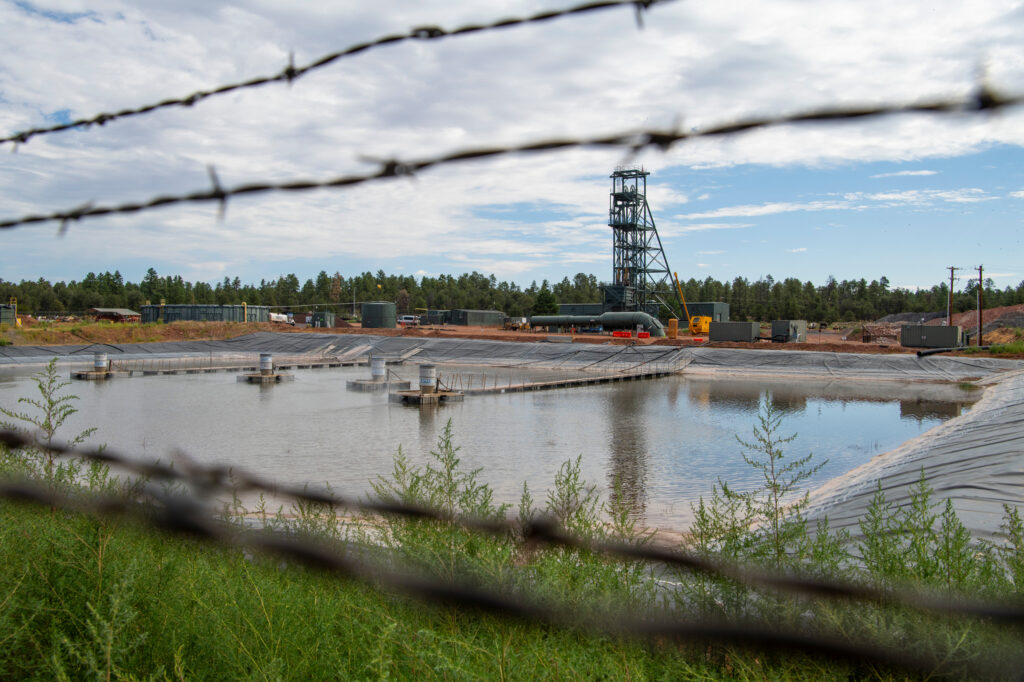
Three out of four wells above the EPA's arsenic standard sitting on one mining site is a pattern too specific to dismiss as natural geology. The Grand Canyon Trust's analysis points to a concrete problem at a particular operation, and the people drawing water from those wells deserve a straight answer about what they're drinking.
I'd want to see the raw sampling data myself and know how many samples each well contributed, because small sample counts can skew averages. I'd also want to know what the mining company's own groundwater monitoring shows and whether they dispute the findings. Arsenic is a known carcinogen, and chronic exposure above the EPA standard carries real health consequences for communities that rely on wells rather than municipal treatment.
The bigger picture is a familiar one across the West: resource extraction and water security on a collision course, with local residents caught in the middle. The canyon draws millions of visitors, but the people living near these mines are the ones who actually drink the water. Their health should weigh as heavily as the economics of uranium mining.