Scientists discover a hidden driver of high cholesterol and a way to stop it
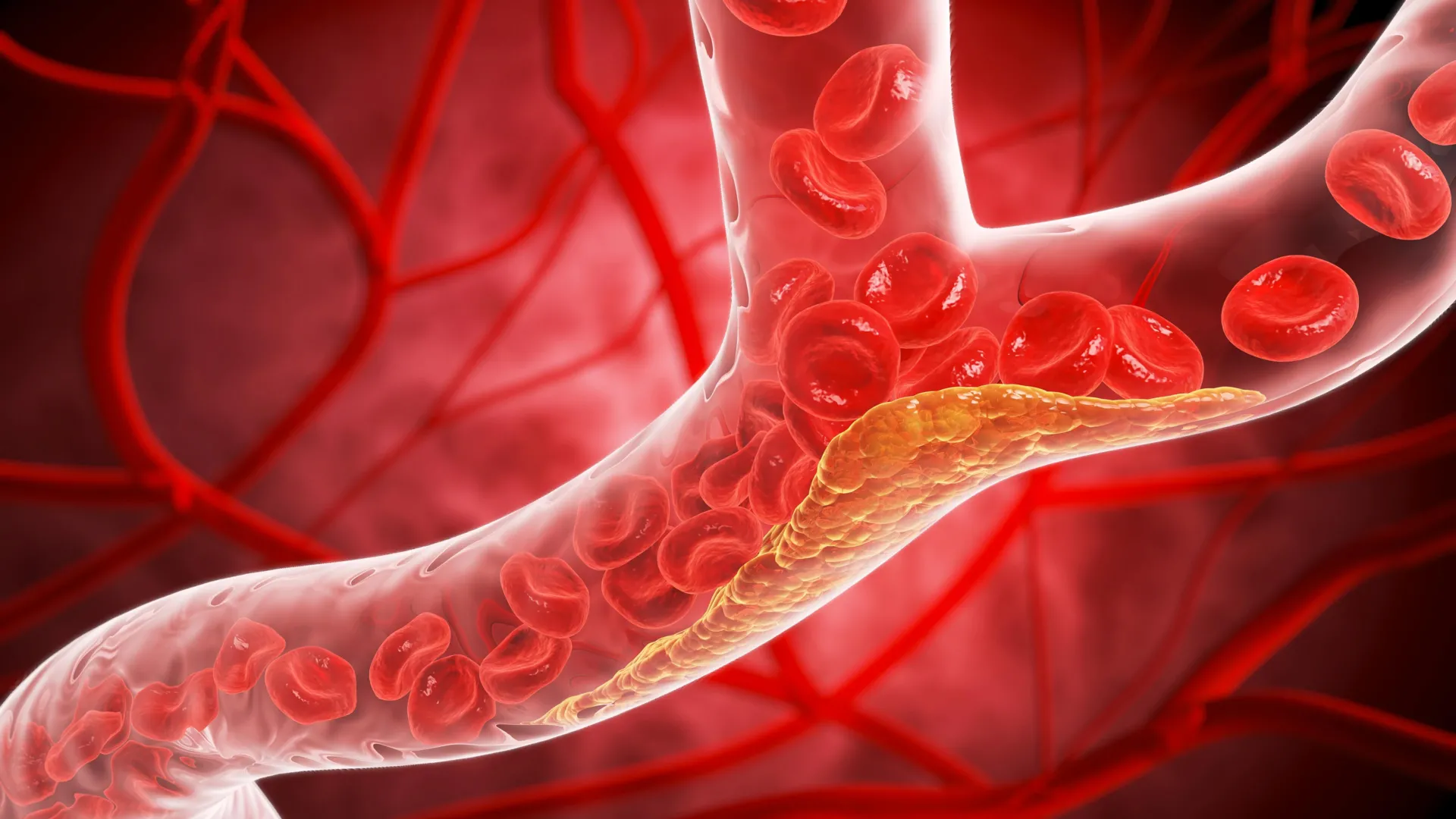
An experimental drug that has already cleared an early safety trial in humans is the detail I keep coming back to. Most discoveries at this stage are born and die in the animal lab, so the fact that a compound built around this newly described pathway has made it into people suggests the researchers expect it to matter quickly.
I've covered cholesterol medicine long enough to respect how hard it is to move the needle. Statins remain the workhorse, but a real share of patients can't tolerate them or never reach their targets, and the alternatives can be complicated or expensive. A second mechanism that works through a completely different part of the biology would be a welcome addition, especially if it can be layered on top of existing drugs.
What I'd want to see next is human efficacy data, not just safety. Mouse LDL numbers are a decent hint, but they don't always predict what human arteries will do over years. The early safety pass is encouraging, but the gap between tolerated and truly helpful is wide. Still, a genuinely fresh lever on cholesterol after decades of incremental progress is worth paying attention to.