Why Aging May Be a Program, Not a Breakdown
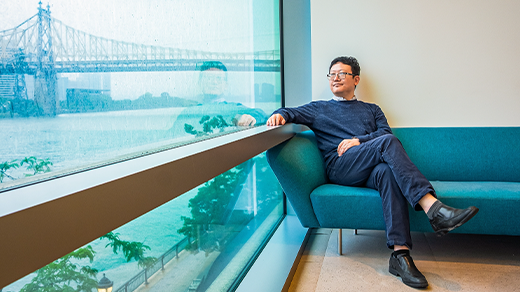
We have spent decades treating the aging body as a machine that grinds to a halt. Sepsis, cancer, dementia—we view these as isolated breakdowns demanding isolated repairs. But if Junyue Cao's research on cellular "remodeling" is correct, we have been fighting the wrong war. We are not patching up a failing engine; we are witnessing a coordinated, programmatic retreat of the organism's very architecture.
This is the most consequential shift in longevity science since we mapped the genome. It signals that aging is not an accident waiting to happen, but a biological directive. The "cell society" is not decaying; it is actively reorganizing into a less functional state. This reframes every anti-aging intervention—metformin, senolytics, gene therapy—from preventative maintenance to a battle against a specific, targetable biological program.
If Cao is right, we are no longer limited to delaying entropy; we can potentially disrupt a signal. But we must tread carefully. Cracking the code of the cell society could grant us the keys to a long, vital life, or to a dystopia of extended, unwanted suffering. The question is no longer if we can stop the clock, but who gets to hold the hands.
The breakdown was random. The program is deliberate. We must treat it with the gravity of a diagnosis, not the hope of a fad.