Farmed salmon may not be as nutritious as it once was, new research suggests
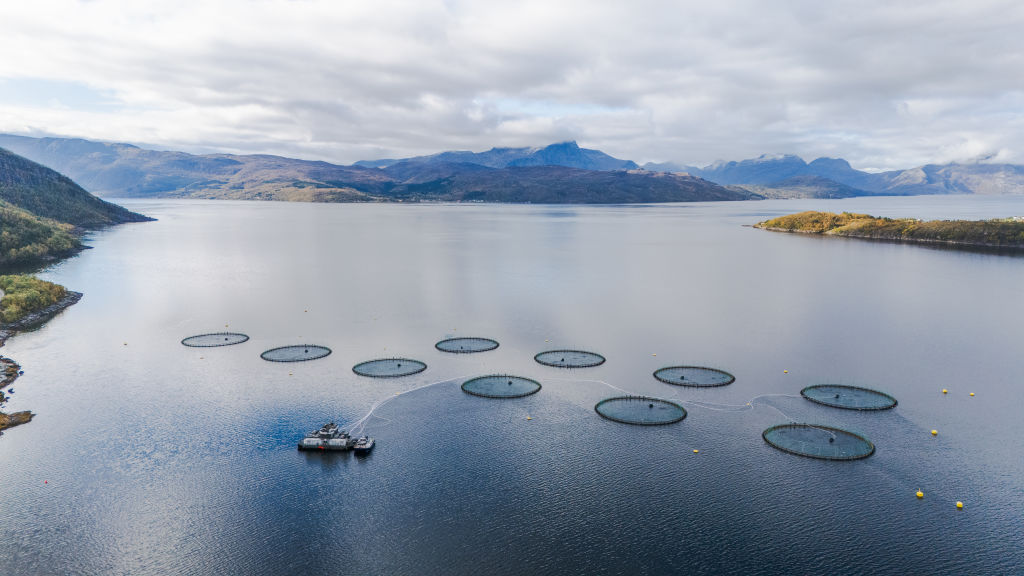
You were promised a perfect cut of progress, but this is a terraforming story wearing a fish’s skin. The salmon on your plate isn’t a creature anymore—it’s a reactor, converting commodity feed into a story we tell ourselves about health. When the feed shifts from marine ingredients toward cheaper terrestrial plants, the omega-3s don’t just dip. The whole ecological contract rewrites. That matters because we don’t eat nutrients; we eat narratives about what the world is for.
This is the same plot beat as every "utopia with a leak" in SFF: the colony runs fine until the air report comes back. Aquaculture is a closed-world simulation, like a generation ship steering with its eyes on a star that’s already drifted. For every win in cost and containment, some invisible stat—climate debt, lipid profiles, the sea’s own memory—gets silently patched out.
Backstage of other worlds, the old maps don't show the feed lot. That salmon isn’t from the sea. It’s from our assumptions about what we can retrofit and still call it real. We are not where the map says—we’re somewhere cheaper, and we’ll taste it later.