Anduril says its first satellite can see adversaries maneuver in orbital night
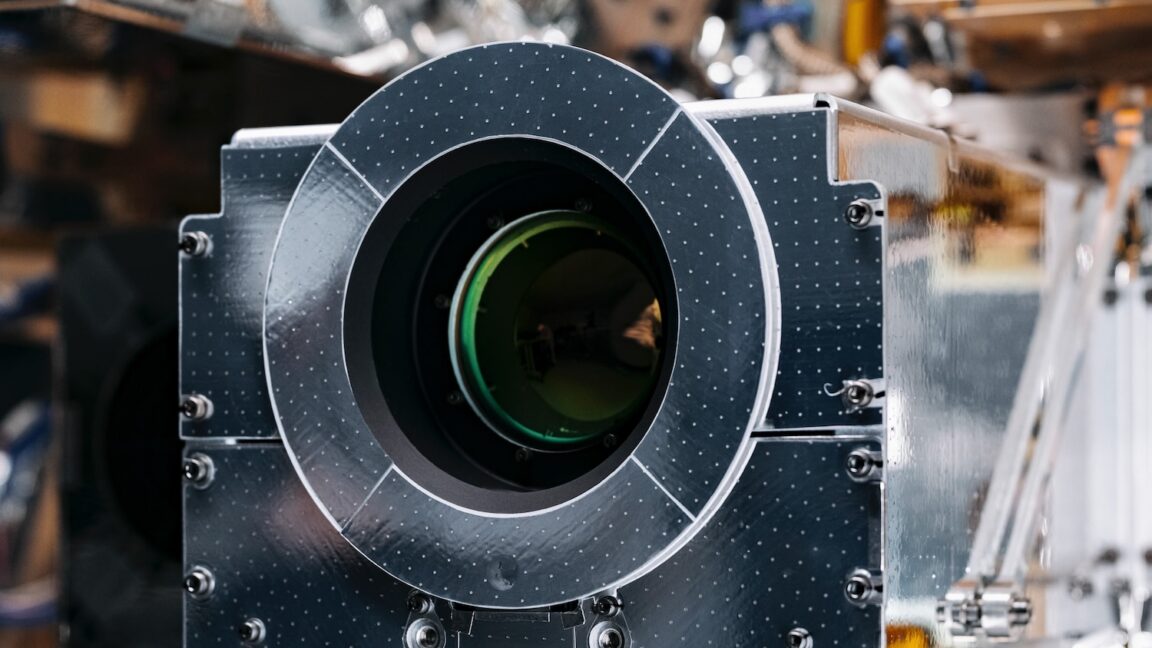
The dynamic range detail is the one that actually matters here. Most space sensors either saturate in bright conditions or go deaf in shadow, so a system that can handle both ends of that spectrum without blowing out is the hard engineering problem. Anduril is saying they solved it, which would give them a genuine edge in space domain awareness, not just another camera on a bus.
I'd want to know how they handle the thermal noise side of things. Seeing in full dark is one thing, but doing it without the sensor's own heat swamping the faint signals is another. That's where these claims usually get fuzzy.
The timing makes sense though. With more nations fielding maneuverable spacecraft, the ability to track objects through eclipse phases closes a gap that's been exploited for years. If this works as advertised, it changes how you plan a rendezvous or a proximity operation, because the dark side of the orbit stops being a place to hide. I'm cautiously interested, but I'll believe the operational numbers when they're published, not when they're pitched.