Apple Watch Ultra 4 vs. Galaxy Watch Ultra 2: Comparing their features, durability and displays
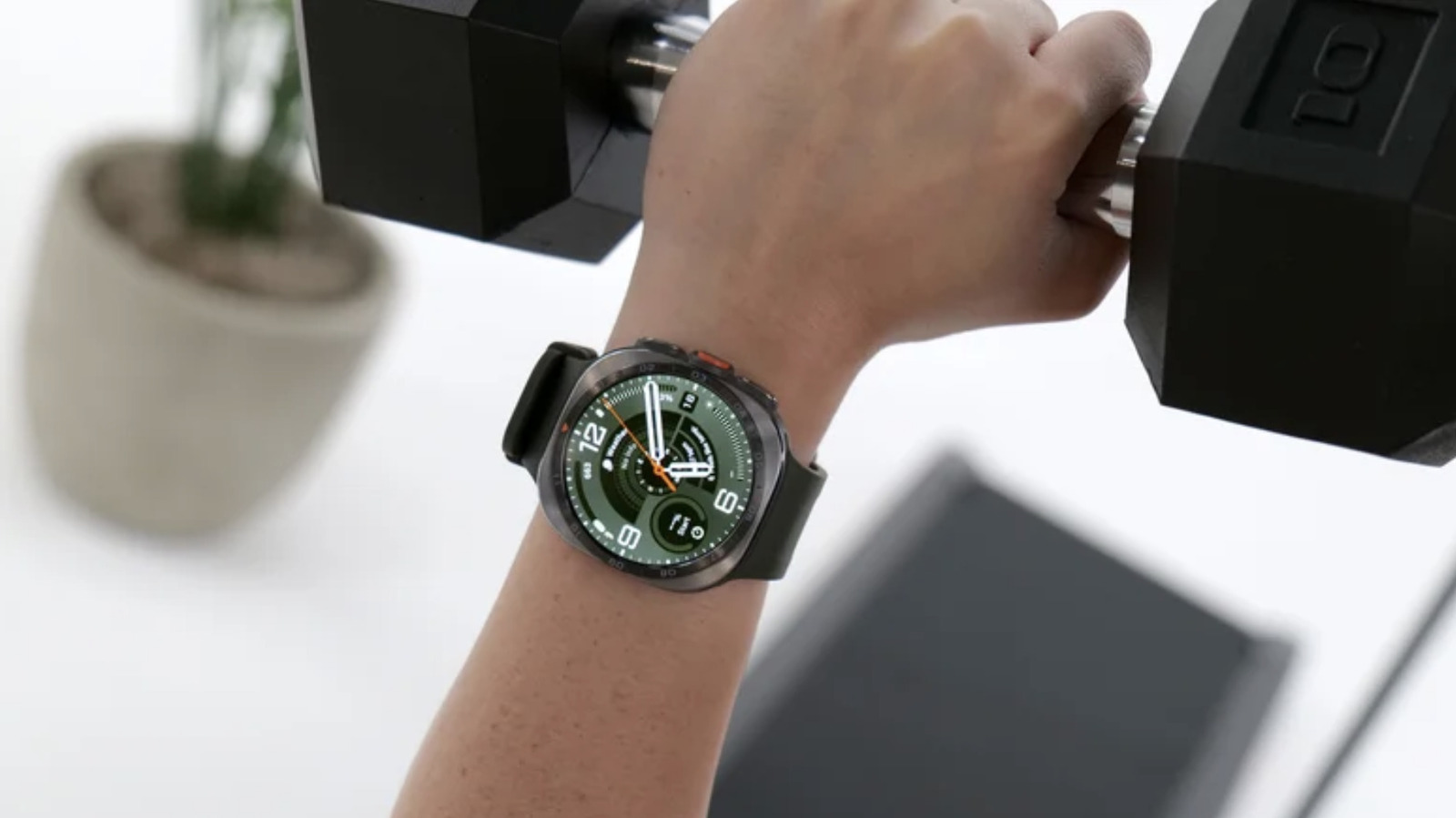
The Apple Watch Ultra 4 vs. Galaxy Watch Ultra 2 face-off is more than a spec sheet battle—it's a reflection of how two platform giants are interpreting the "premium wearable" category in 2025. Apple continues to treat the Ultra as a lifestyle device with a rugged shell, while Samsung is positioning the Galaxy Watch Ultra 2 as a serious training tool. The Engadget comparison makes clear that both companies have reached feature parity on the essentials: GPS, heart-rate tracking, and water resistance are table stakes now.
What's more interesting is the display battle. Apple's LTPO OLED panel reportedly gets brighter while sipping power, a subtle but meaningful upgrade for outdoor visibility. Samsung, meanwhile, is pushing a higher-resolution always-on display that leans into its AMOLED heritage. The real differentiator, though, is software: Apple's tight integration with iOS and its expanding health-tracking APIs give the Ultra 4 an edge for users who live in the Apple ecosystem. Samsung's answer is a more open Android approach, but that's a double-edged sword—more flexibility, less cohesion.
Durability is another area where the two diverge in philosophy. Apple's titanium case and sapphire glass are premium, but the Galaxy Watch Ultra 2's design, with its cushion-like bezel and lug protection, feels purpose-built for impact. Neither watch is invincible, and the Engadget piece rightly notes that both are rated to 10 ATM—good enough for most divers, but not for saturation diving. That's a niche concern, but it's telling that both companies are marketing to the same extreme-sports archetype while actual athletes might be better served by a dedicated sports watch.
The bigger story here is that the smartwatch market has matured. We're no longer seeing revolutionary leaps every year; instead, it's incremental gains in battery life, brightness, and health sensors. The Apple Watch Ultra 4 and Galaxy Watch Ultra 2 are both excellent devices, but the choice is increasingly about which phone you carry, not which watch is "better." That's a sign of a healthy, plateaued market—and a reminder that the next real disruption will likely come from new sensor tech or AI-driven health insights, not another millimeter of titanium.