When Stars Engulf Rocky Planets, Beryllium Gives It Away
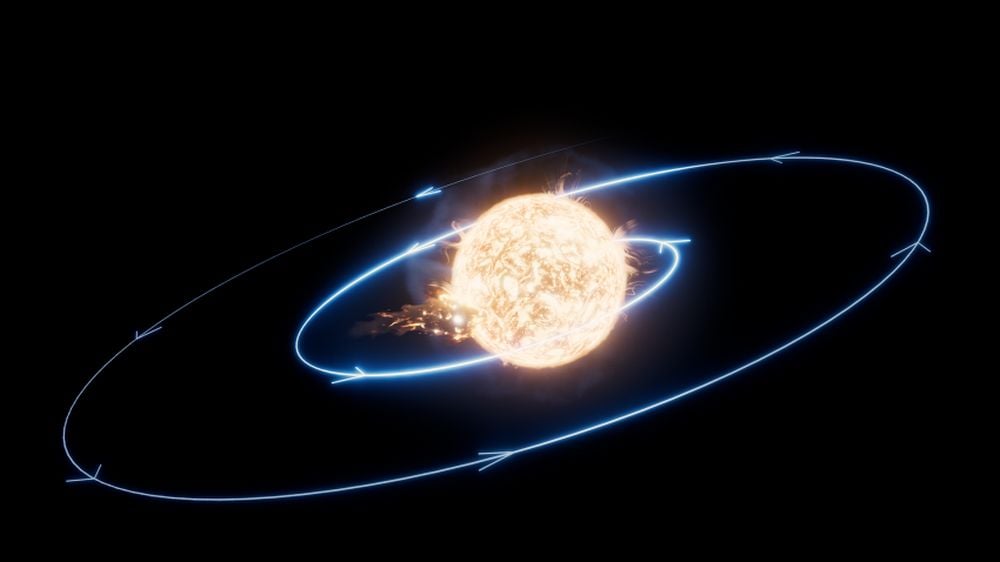
The word "engulf" sounds almost gentle, a slow spiral inward, but getting eaten by your own star is about as violent an ending as a planet can have. What makes this story sing is the beryllium itself. Stars can't make it and can't hold onto it, so when we find a sun that's swimming in the stuff, we know something outside the star put it there. That's a forensic tool with a field. We rarely catch these meals in progress, but the chemical scar on the host star lingers for billions of years, like a receipt.
I think the deeper payoff is a census. We keep finding planets, and we keep finding stars with suspiciously high beryllium, and every one of those might be a system that rearranged itself. That changes the odds we assign to Earth-like worlds surviving long enough to host anything interesting.
I'd want to know which types of stars actually do this, and whether the rates are worse for small rocky siblings or giant stars. Maybe some systems are just stable, and maybe most aren't. Either way, the next time I look up at a plain yellow star, I'll wonder if it once had a table companion.