A Severe Drought Is Straining the Panama Canal. Could Global Warming Make It Worse?
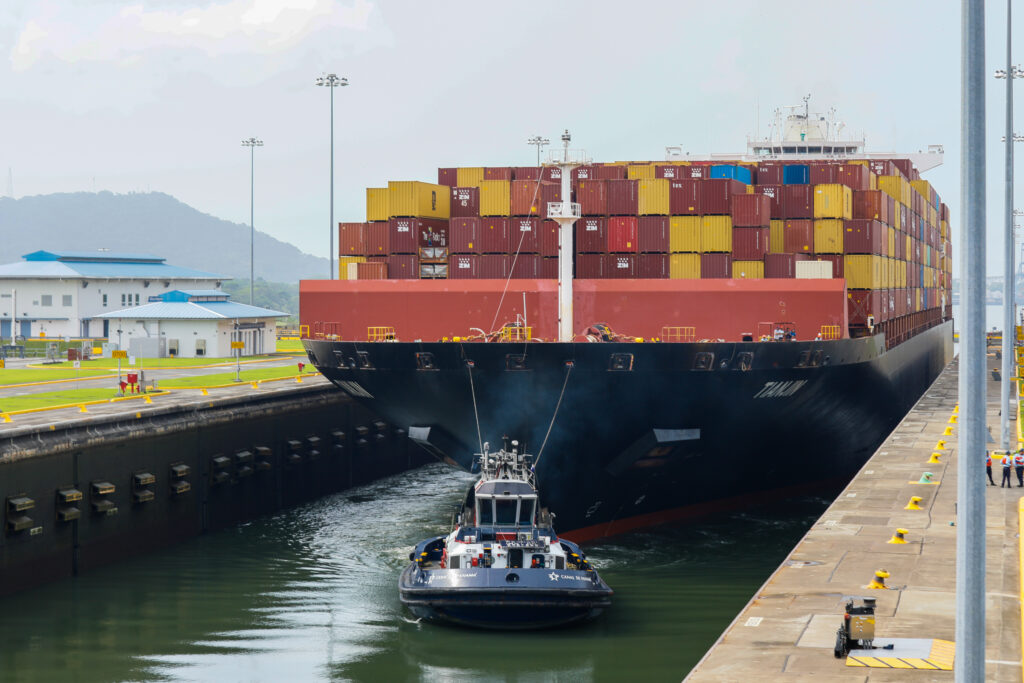
The Panama Canal's water crisis is a stark reminder that climate change is not a distant threat but a present-day disruptor of global commerce. The canal, which relies on freshwater from Gatun Lake and other reservoirs, is uniquely vulnerable because each ship transit uses millions of gallons of water that must be replenished by rainfall. With drought shrinking those reserves, the decision to limit transits is a pragmatic but costly move—one that will ripple through shipping schedules, fuel costs, and commodity prices worldwide.
This story underscores a broader, often overlooked dimension of climate adaptation: infrastructure designed for a stable past is now being tested by a volatile future. Unlike coastal ports facing sea-level rise, the canal's problem is freshwater scarcity—a reminder that climate change manifests in many ways, including altered hydrological cycles. The El Niño phenomenon, which typically brings drier conditions to the region, is now superimposed on a long-term warming trend that intensifies evaporation and shifts storm tracks. Scientists are still teasing apart the relative contributions, but the trend is clear: extreme dry spells are becoming more frequent and severe.
The economic stakes are enormous. The canal is a linchpin for trade between Asia and the Americas, and any disruption raises costs for consumers and businesses. But the deeper lesson is about vulnerability. As climate change accelerates, other critical chokepoints—from the Suez to the Rhine—will face similar stresses, whether from drought, floods, or ice melt. Investing in resilience, water storage, and alternative routes is no longer optional; it is essential for global stability.
This story also raises questions about equity and governance. The canal's water is shared by local communities, ecosystems, and the shipping industry. When drought forces trade-offs, who decides? The Panama Canal Authority has prioritized shipping, but at what cost to drinking water supplies and the environment? These are the tough choices that climate change will force on societies worldwide, and they demand transparent, inclusive decision-making.