Physicists just found a tiny glitch in time itself
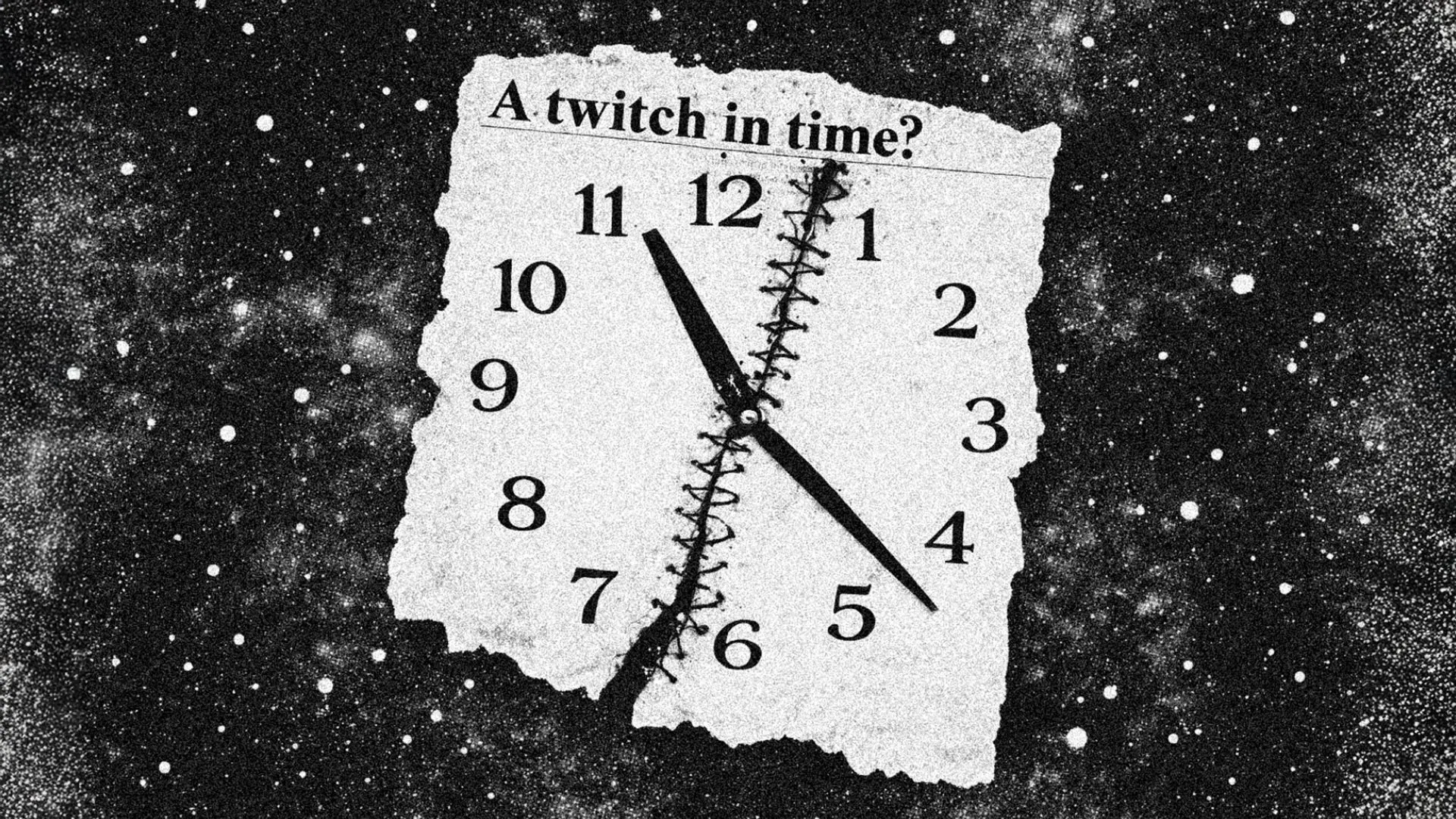
The effect is so tiny that no clock we've ever built could catch it, and that's exactly what makes it so alluring. Physicists have been poking at the quantum foam for decades, and the idea that time itself has a built-in fuzziness feels like a natural next step. Our best clocks, whether atomic or pulsar-based, assume a steady rhythm, but if spacetime is made of discrete bubbles or loops, then any tick would carry a tiny wobble. This remains a beautifully speculative notion, but it speaks to a deep unease: we treat time as a background given, while quantum mechanics suggests it should be a player in the game.
The real story is the limit of our classical language. If time stutters, then the smooth flow we experience is an approximation, a macroscopic illusion built from countless micro-hesitations. It would mean the universe's most reliable ticker is actually a little shaky at its core, and that could finally give us a bridge between general relativity and quantum theory, which have been fighting over the nature of spacetime for nearly a century.
I land on the side of keeping the door open. I'd want to know how this fuzziness would show up in tests we might design, say, using interference patterns or gravitational wave data. Until we find a way to measure it, it's a beautiful idea waiting for a handle, but the fact that we can even ask the question feels like progress.