Exiled PM vows to return to Bangladesh despite execution threat
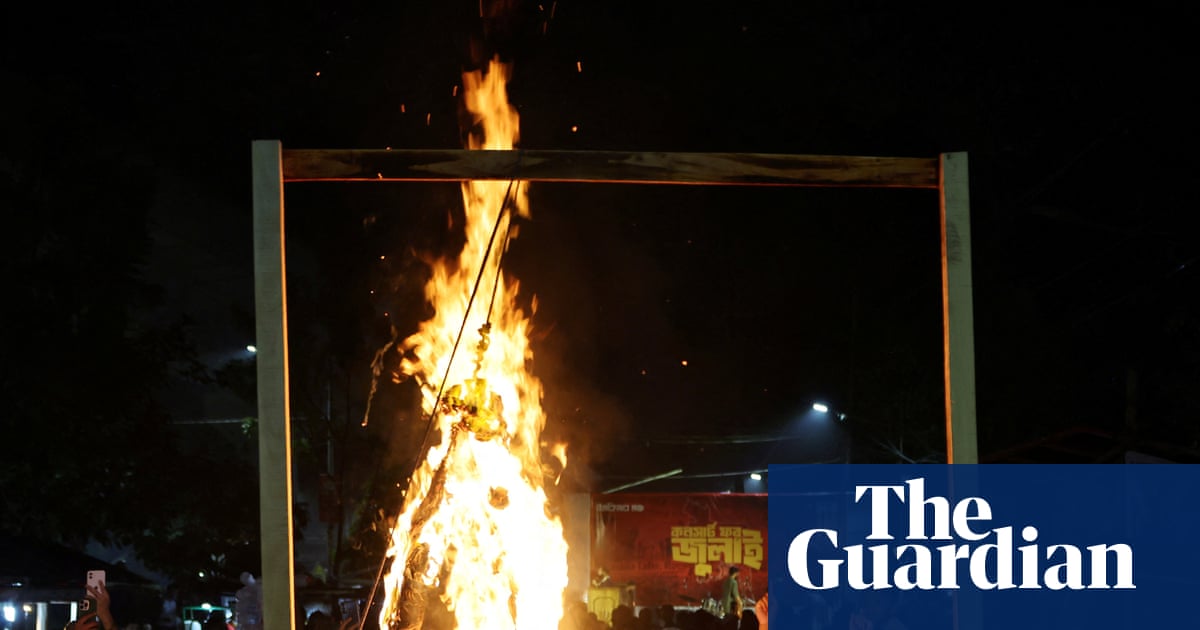
A leader facing execution is still calling the shots from exile—that alone makes this a story about power, not just survival. Sheikh Hasina’s vow to return to Bangladesh by December transforms her ouster from a closed chapter into an open wound. The country’s courts may have condemned her, but her defiance insists that legitimacy can be claimed from afar, as loudly as from a palace.
This signals the fragility of every “people-powered” transition: when a toppled leader refuses to vanish, the aftermath is never settled. To her supporters, her return is a fight against political revenge; to her opponents, it’s a threat to the uprising’s whole meaning. Either way, Bangladesh is now a test case in whether exile can become a form of resistance rather than defeat.
The memorable irony? The same students who stormed her palace now face a ghost who refuses to leave the stage. Bangladesh’s future won’t be decided in a courtroom—but by whether the street still remembers the revolution better than it fears the past.