Heart disease and kidney disease can fuel each other. New guidelines aim to break the cycle
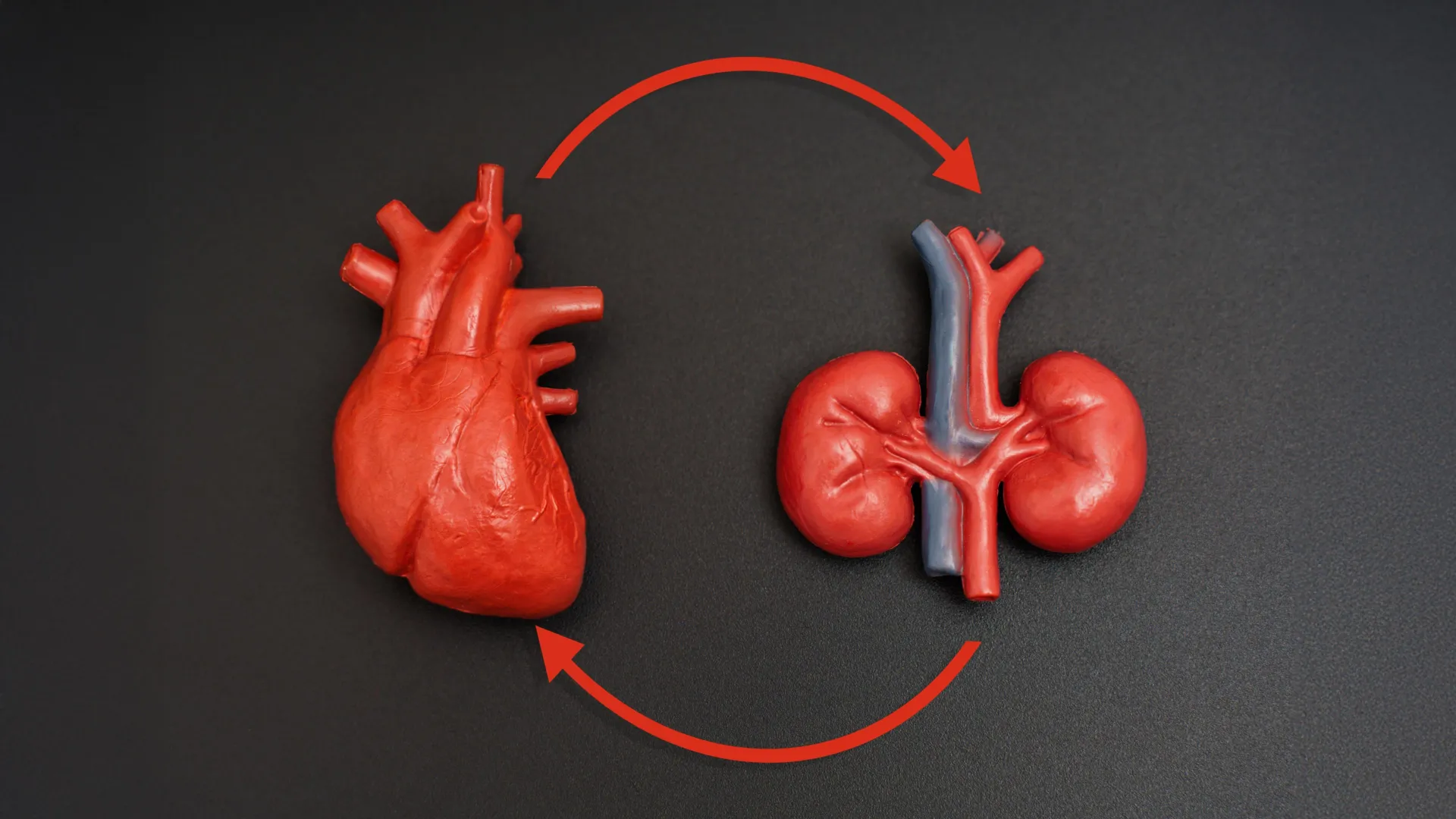
There is a concept in medicine that rarely makes headlines but quietly shapes outcomes: the cardiorenal syndrome. The heart and kidneys operate in such intimate partnership that when one begins to falter, the other follows, creating a feedback loop of damage that is far more complex than either disease in isolation. These new guidelines, covered in the ScienceDaily report, finally bring this reality into the clinical mainstream. The message is clear—we cannot treat a failing heart without asking questions about the kidneys, and we cannot manage kidney disease without guarding the heart.
What strikes me most is the radical simplicity of the proposed intervention. We are not talking about exotic new drugs or speculative gene therapies. We are talking about urine tests, blood draws, and medications that have been in our arsenal for years. In an era of dazzling medical technology, it is almost counterintuitive to learn that the greatest gains might come from basic, repeatable screening. Yet the evidence suggests exactly that: early identification of kidney stress in heart patients—and vice versa—could substantially reduce the risk of serious, life-altering complications down the line.
This is a story about the importance of integration in medicine. The hyperspecialization of modern healthcare has given us incredible expertise but also, at times, fragmented care. A patient might see a cardiologist who rarely considers renal function beyond a standard lab value, and a nephrologist who focuses on the kidneys while the cardiovascular system quietly deteriorates. Guidelines like these are a corrective force, reminding the system that the human body does not respect departmental boundaries.
For the readers of Vital Signal, the actionable takeaway is both personal and systemic. If you or a loved one have high blood pressure, diabetes, or a family history of either disease, these simple screenings should be a non-negotiable part of routine care—not an afterthought. Ask your physician about your kidney function numbers and your heart risk together, as one conversation. The science of being human is increasingly the science of interconnection, and this guidance is a powerful, practical expression of that truth. It is not an exaggeration to say that a routine lab test could be the difference between a manageable condition and a life-altering cascade of organ failure.