Halting the march of the African armyworm: a natural cure offers hope to farmers
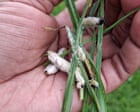
Every so often, nature hands farmers a weapon that doesn’t come in a chemical drum. South African scientist Letodi Luki Mathulwe spotted fields of dead African armyworm caterpillars wrapped in a mysterious white fungus—and realized he was looking at a natural executioner. That discovery could change how east and southern Africa battles one of its most destructive crop pests.
This matters because the armyworm doesn’t just chew leaves; it chews into food security. Synthetic pesticides are costly, often harmful, and lose their punch as resistance builds. A soil fungus that already does the job for free is a breakthrough with immediate, practical implications—no lab-engineered miracle required, just a closer look at what’s already in the ground.
The signal here is bigger than one pest. It’s a reminder that agricultural innovation doesn’t always begin in a corporate R&D wing. Sometimes it starts with a curious scientist noticing something odd in the dirt—and trusting it enough to investigate.
The march of the armyworm may not be stopped by a single fungus alone. But for the first time in a long while, hope is blooming in the soil, not just in the spray tank.