How long can fiber optic cables be before they lose signal?
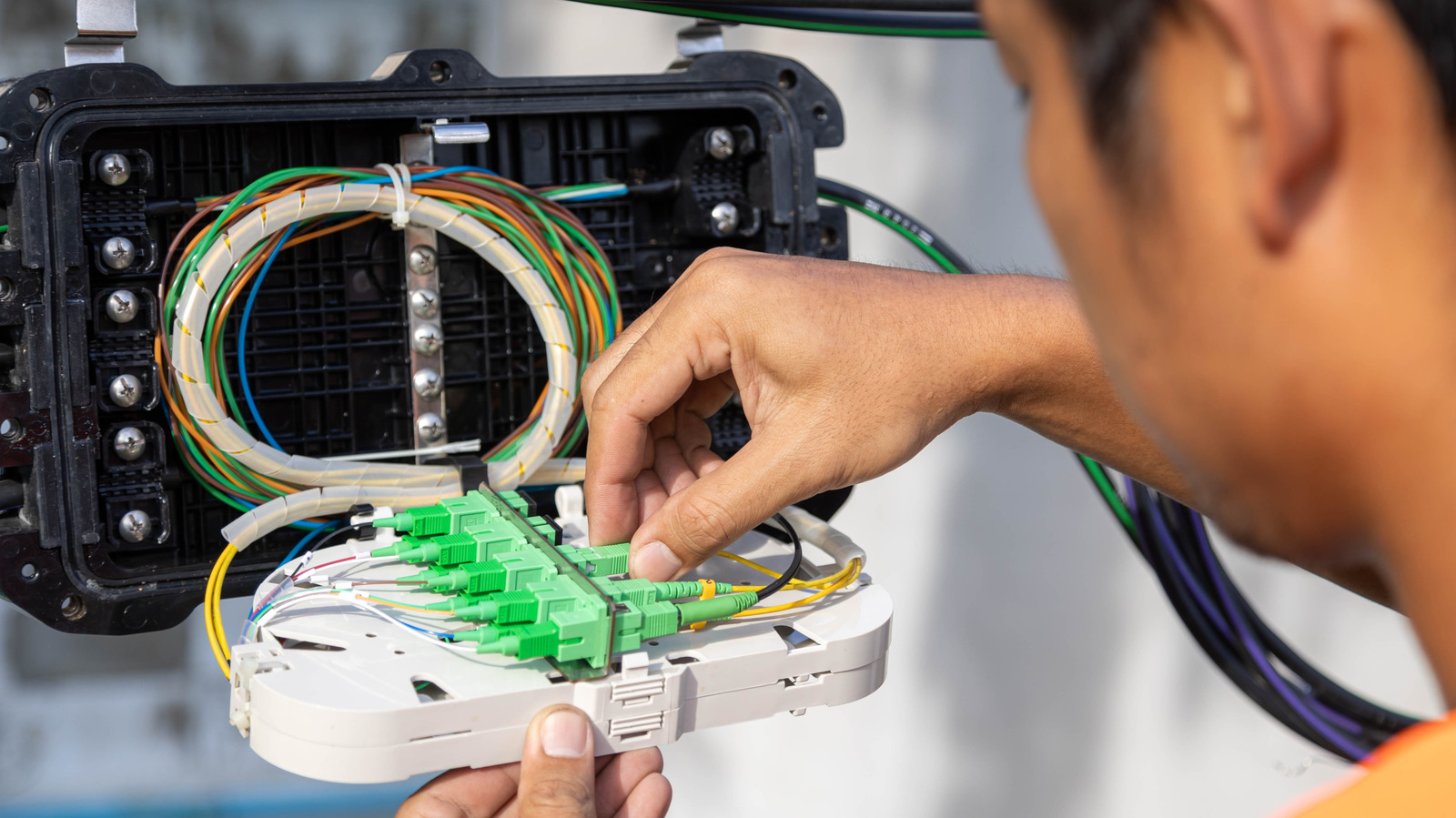
The headline question sounds like it should have a clean answer, but the honest one is "it depends on what you're willing to spend." A standard single-mode fiber at 1550nm loses roughly 0.2 decibels per kilometer, which means a 100km run is already down about 20dB before you factor in connectors and splices. That's a serious chunk of signal. In practice, undersea cables solve this by dropping in optical amplifiers every fifty to eighty kilometers, so the physical cable can stretch across an ocean. The budget and the gear you bolt onto it set the practical limit.
I'd want to know more about how modern coherent detection and forward error correction have stretched those distances, because that's where the interesting engineering lives. A decade ago you might have needed to regenerate a signal every few hundred kilometers; now the electronics can squeeze usable data out of much noisier links. The practical ceiling keeps moving, but the physics of attenuation hasn't changed. So the article's framing is right: fiber can go far, but never forever, and the real story is in how we bridge the gaps.