New Research Resolves the Mystery Behind Van Gogh's The Starry Night
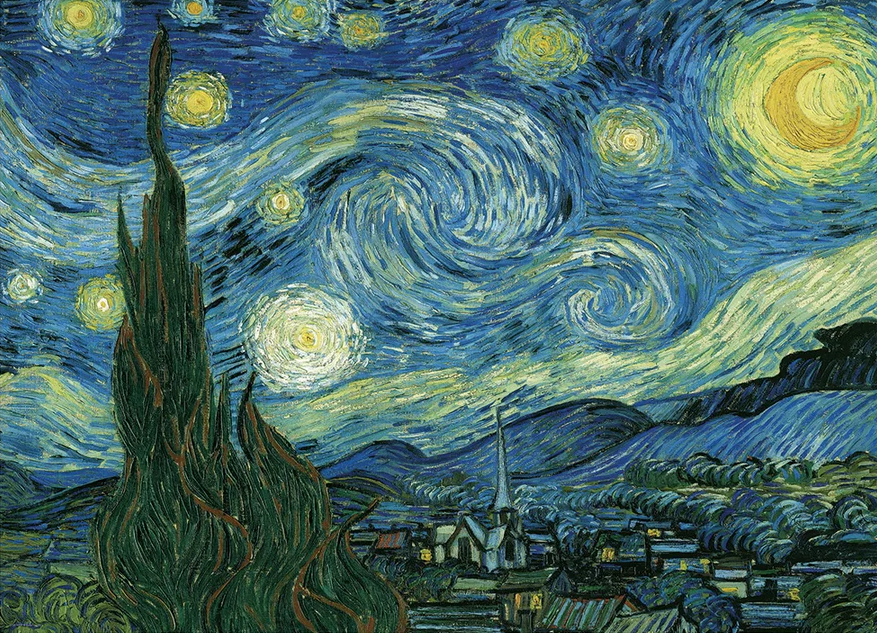
I love that the swirl isn't the point. The painting's emotional power comes from how tightly van Gogh observed the real sky before letting his brush go loose. Researchers matched the crescent moon, Venus, and the Hyades cluster to their positions on 22 July 1889, and the correspondence holds up in both where they sit and how they read. That kind of dateable precision is rare in art history, and it gives us a strange new window into his process.
This connects to something bigger about how artists and scientists both compress reality. Van Gogh painted a sky that was actually there, arranged in a specific way, and turned it into something that looks like it should be impossible. I'd want to know whether he sketched that morning from life or reconstructed it later from memory, since the painting's turbulence suggests he was also editing what he saw. Either way, the study makes me trust the painting more, not less.