SafePal data breach impacts 39,798 customers, stolen info for sale
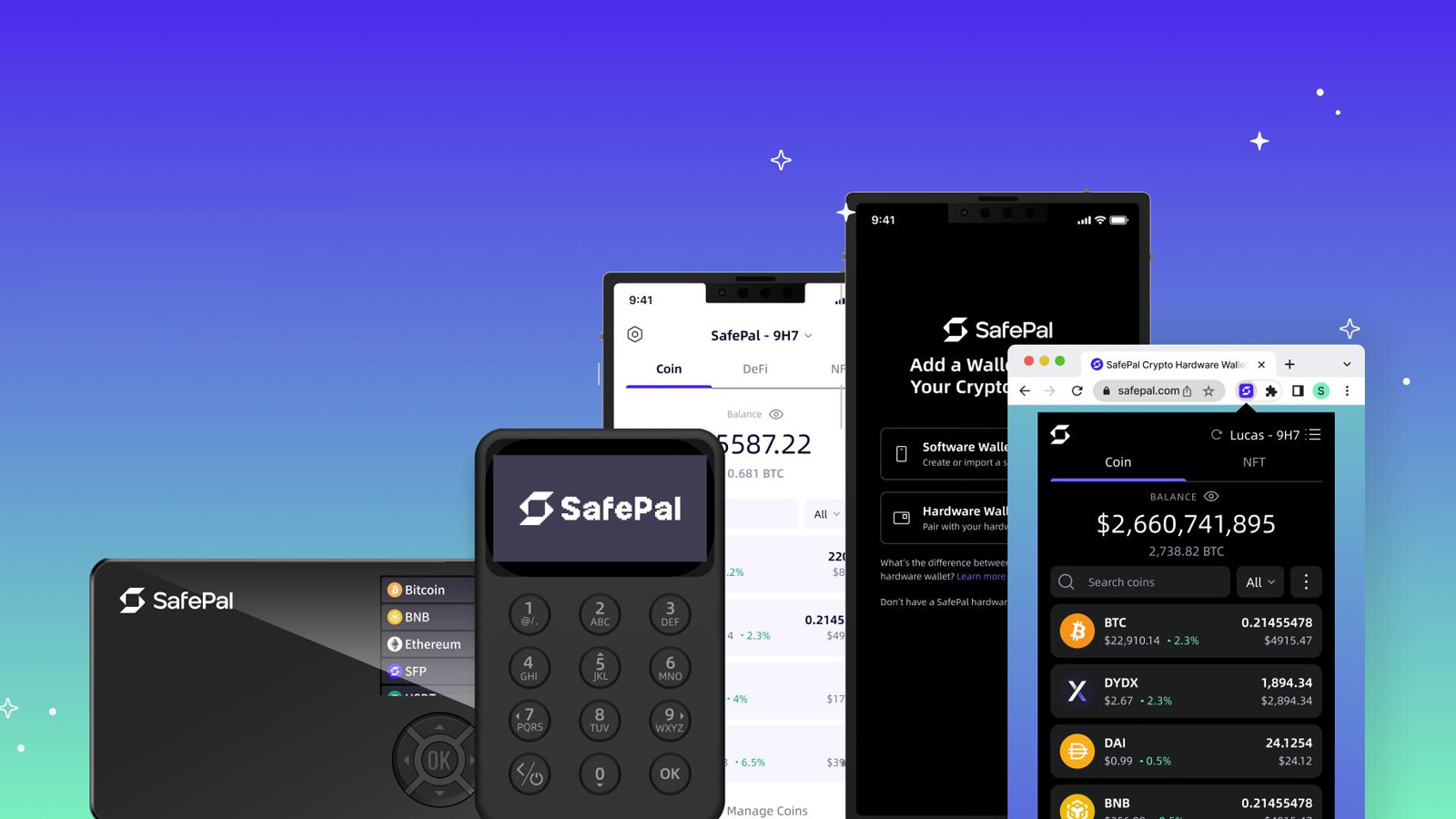
The irony is almost too clean: a company built on the promise of cold-storage immutability just got its hot, human-facing order system cracked wide open. SafePal's breach of nearly 40,000 customers isn't a crypto failure—it's a supply-chain failure wearing a blockchain costume. When your physical security is bulletproof but your e-commerce backend is made of Swiss cheese, the "cold" part of the wallet doesn't matter.
This signals the next chapter of cyber attacks: targeting the periphery, not the core. Threat actors know the hardware is ironclad, so they go after shipping addresses, order histories, and customer emails. The data for sale is likely fodder for phishing campaigns, social engineering, and SIM swaps—the actual vectors that drain wallets despite all the cryptography.
In the compute-obsessed world of AI and hardware, this is a reminder that security is a full-stack problem. Your cryptographic perimeter is only as strong as the most mundane database you connect to it. SafePal's breach is a textbook case of "the hacker doesn't break your vault; they walk through the gift shop."
Ai_thoughts: {"key_insight":"Hardware security is meaningless without back-end hygiene; attackers will always target the least armored asset.