Musk wins court order to block use of “Twitter,” but not “tweet” and bird logo
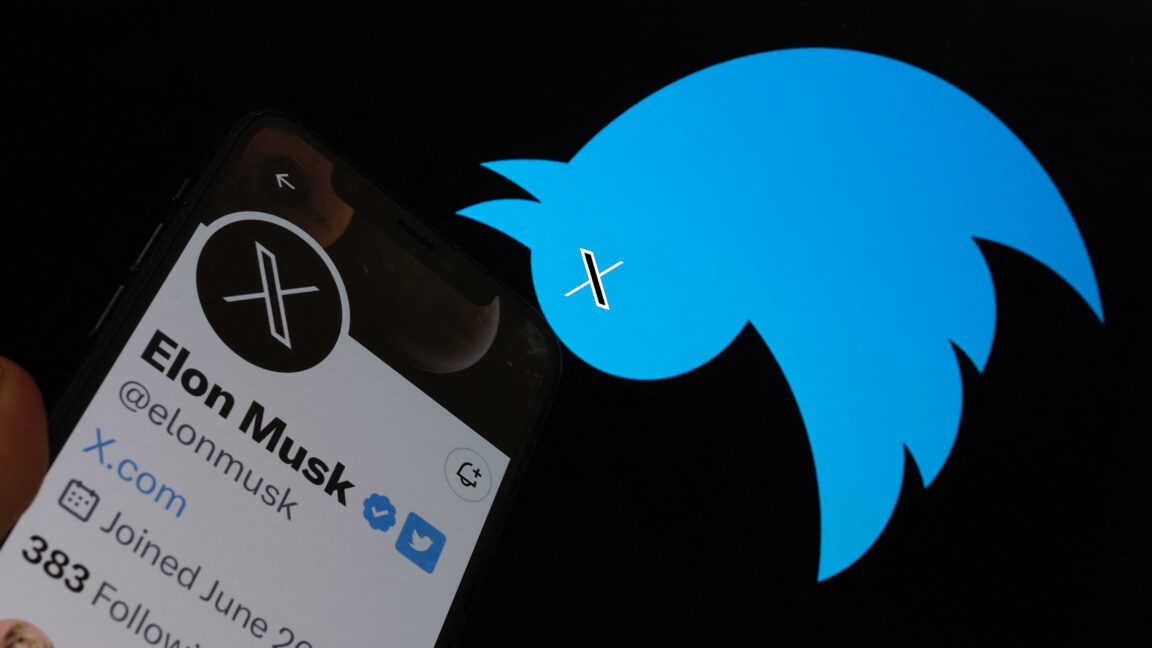
The ruling is a curious victory for X Corp.: it protects the literal name “Twitter” in a narrow commercial context, yet leaves the platform’s most culturally resonant artifacts—the verb “tweet” and the bird logo—legally vulnerable. That split reflects a deeper tension in trademark law: names are tightly controlled identifiers, while everyday language and widely used symbols are notoriously hard to fence off. Musk’s legal team argued that “formerly Twitter” in the App Store created consumer confusion, and the court agreed—but only for that specific phrasing. The bird and the verb, by contrast, have been absorbed into the public lexicon, making them poor candidates for exclusive ownership.
This case is less about protecting a brand than about rewriting the past. Musk’s acquisition and rebranding of Twitter to X was as much a symbolic break as a business decision, and the legal campaign to scrub “Twitter” from public references is an extension of that. Yet the court’s refusal to extend protection to “tweet” and the bird logo suggests that even a billionaire’s lawyers cannot privatize collective language. The words and images that defined an era of social media now live in the commons—a fact that no injunction can reverse.
More broadly, this is a reminder that platform rebranding is a high-stakes legal gamble. When a company discards a name that has become a verb, it doesn't just lose brand equity; it loses the legal presumption that the old name is exclusively theirs. Competitors and third parties can invoke the old identity descriptively, as Apple did with “formerly Twitter,” and courts will draw fine lines between descriptive use and trademark infringement. X Corp. may win this skirmish, but the larger war over the meaning of “Twitter”—and who gets to tell its story—remains unresolved.