Some joints may be primed for rheumatoid arthritis before birth
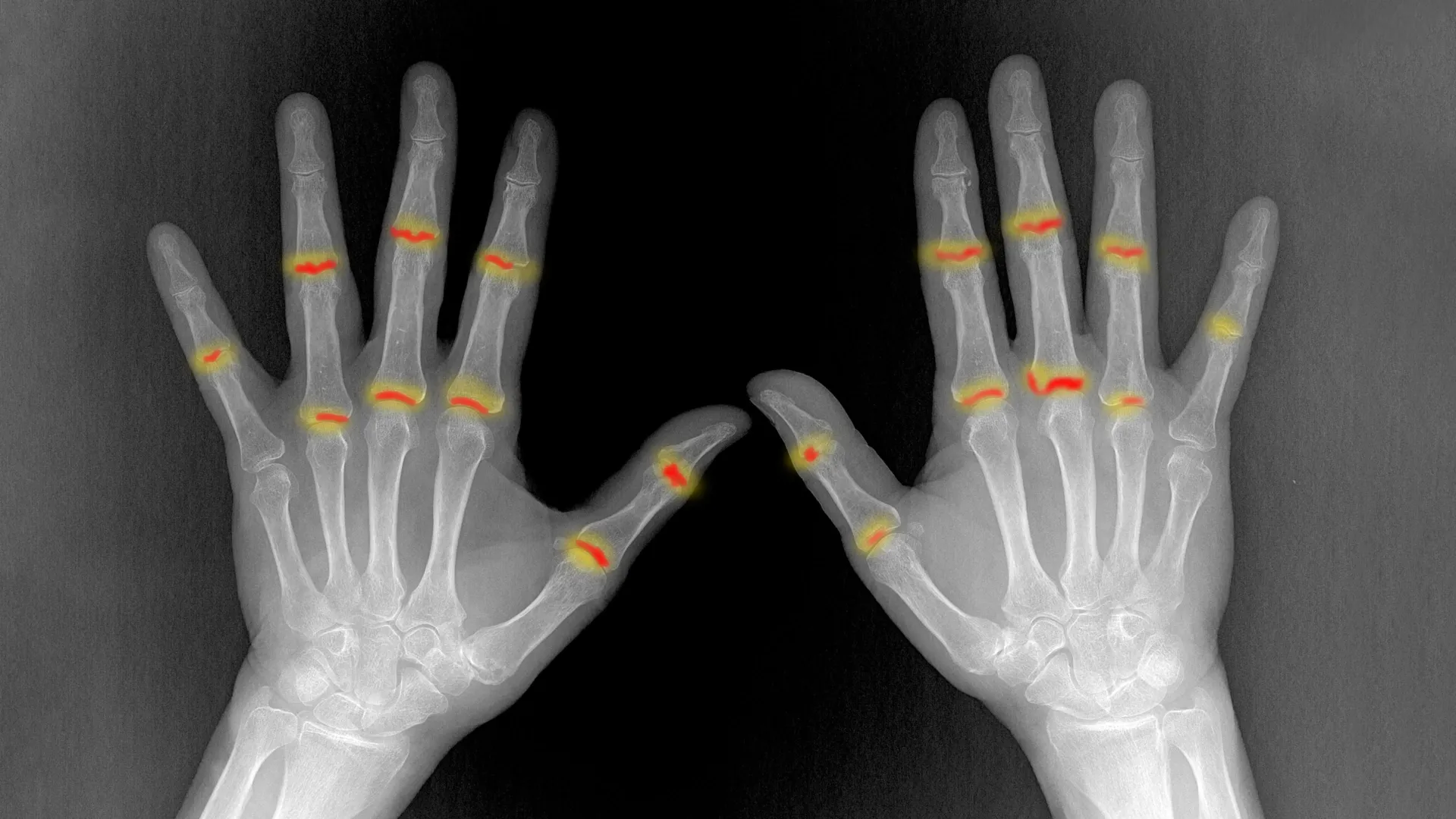
This study reframes rheumatoid arthritis not simply as an immune system gone rogue, but as a conversation between immunity and local tissue—a conversation that may begin before birth. For years, clinicians have puzzled over why RA so often selects the small joints of the hands while leaving others untouched. The emerging answer, suggested by this research, is that joints are not passive bystanders. They arrive with their own architecture, their own cellular neighborhoods, and perhaps their own vulnerability to inflammatory attack.
The finding that affected joints harbor larger populations of specialized fibroblasts—and that those cells respond differently to inflammation—is especially intriguing. Fibroblasts have traditionally been seen as structural support cells, but in recent years they’ve stepped into the spotlight as active players in chronic inflammation. If certain joints are born with a "kindling" population of these cells, then the immune system may merely be the match. That distinction matters: it shifts our focus from treating the fire to understanding why some tissues are so flammable in the first place.
This also raises profound questions about the timing of risk. If RA vulnerability is partly wired into our developmental blueprint, can it be modified? We are not there yet, and this work does not claim to have answers. But it points toward a future where we might think about RA prevention in childhood—or even earlier—rather than waiting for the first swollen joint. It also underscores the importance of studying the body's local environment, not just circulating autoantibodies and systemic inflammation.
As with any early-stage finding, we should hold cautious optimism. The research described in the ScienceDaily report offers a compelling hypothesis, not yet a clinical test or therapy. Still, it is a reminder that the seeds of chronic disease may be sown long before symptoms appear. Understanding those seeds—and why they take root in some joints and not others—could ultimately change how we predict, prevent, and personalize treatment for rheumatoid arthritis.