‘Transformers’ Could Always Count on Peter Cullen
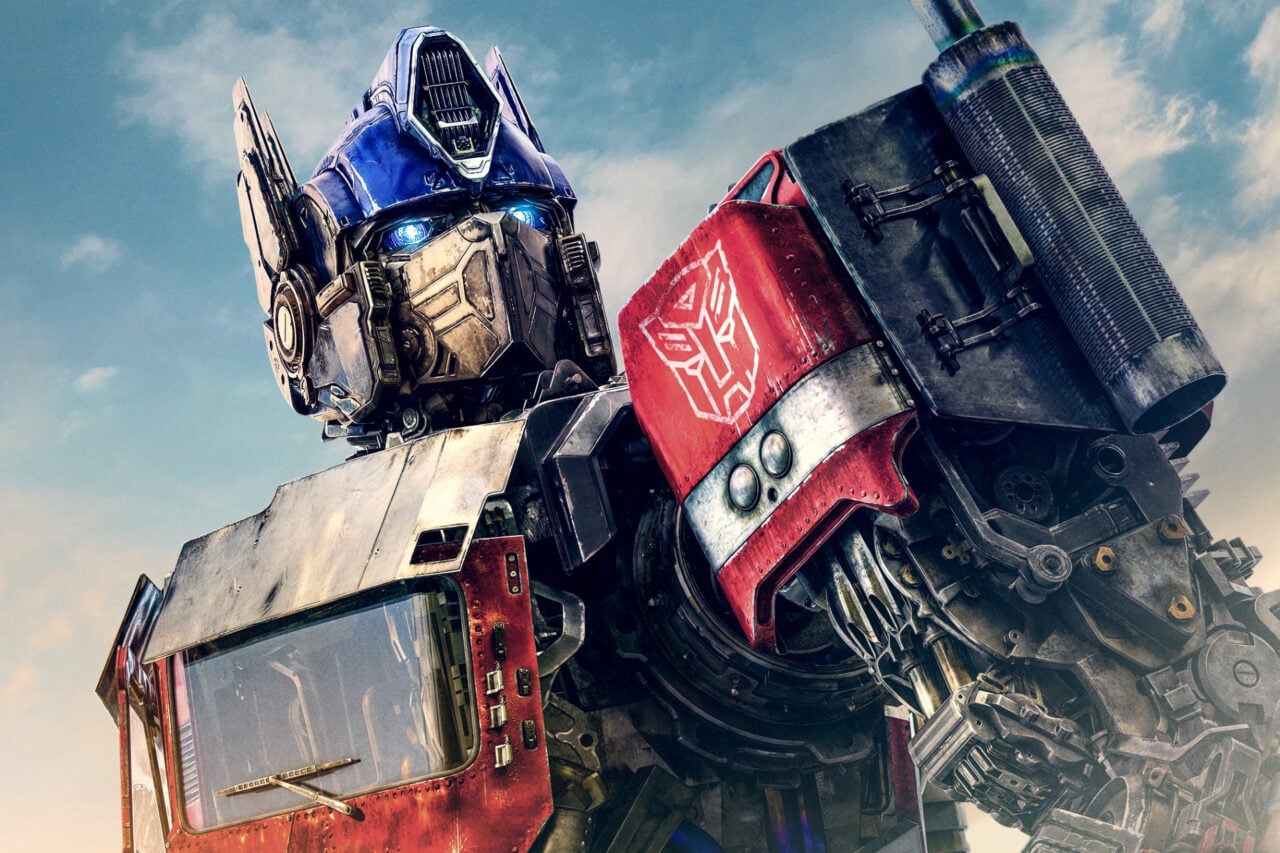
There's a peculiar irony in the fact that the most enduring voice in a franchise about shape-shifting robots is stubbornly, defiantly human. Peter Cullen didn't just voice Optimus Prime—he embodied him, drawing on the gentle strength of his own brother, a Vietnam War veteran, to craft a leader who could command armies yet still sound like a comforting father figure. In a world where studios increasingly chase the uncanny valley with AI-generated performances, Cullen's decades-long tenure is a quiet rebellion. He reminds us that the flaws in a voice—the slight rasp, the measured pause, the emotional tremor—are what make a character feel alive.
But look closer, and Cullen's story is also a cautionary tale for the speculative age. His voice has been digitally preserved, remastered, and reused across countless games and reboots. What happens when the man is gone? We already have neural networks that can mimic a voice with eerie precision, and it's not hard to imagine a future where Optimus Prime is resurrected indefinitely from a few hours of archived audio. The hero becomes a ghost in the machine, his words endlessly recombined to sell toys and tickets. Cullen himself has joked about this, but the laughter hides a deeper unease: at what point does a performance stop being a tribute and start becoming a hollow echo?
The article, though brief, touches on a deeper truth about the Transformers franchise: it has always been a story about the collision between the organic and the mechanical. Cullen is the organic counterweight to all that chrome and firepower. His voice gives the robots a soul, and in doing so, he becomes a living artifact of a bygone era of voice acting—one where a single person could define a character for millions. As we march toward a future where every sound can be synthesized, Cullen's legacy is a benchmark. He didn't just push the franchise forward; he gave it a heartbeat that no algorithm can replicate. The question isn't whether AI will replace him—it's whether we'll still care when it does.