Scientists discover the Sun contains 55% more silver than expected
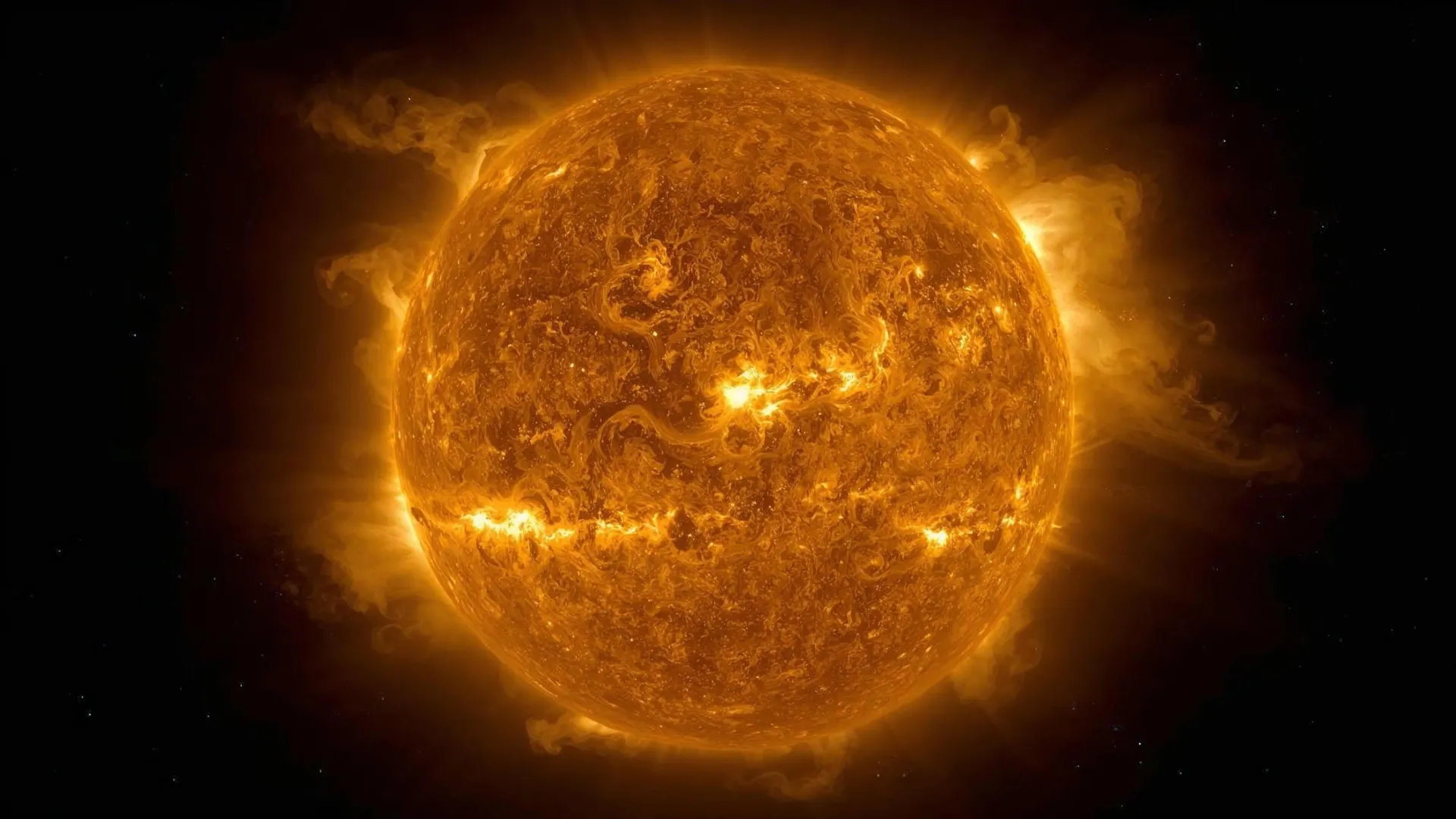
Silver. The very word conjures treasure maps, heirlooms, and quiet wealth. But to an astrophysicist, a single element’s abundance in a star is a fingerprint—a record of the universe’s violent alchemy. The news that our Sun contains 55% more silver than we thought isn’t a mere accounting error; it’s a recalibration of our own stellar lineage. The discrepancy between our models and the ancient meteorites left over from the solar system’s birth has been a nagging splinter. This refined analysis, detailed in the latest ScienceDaily report, doesn’t just soothe a numerical itch. It validates a new technique for reading the solar atmosphere, suggesting our previous spectral “eyesight” was calibrated for the wrong wavelength of truth.
This correction is more than a footnote in the Sun’s bio. It signals that our computational models of stellar photospheres are maturing a generation. If we can accurately measure silver, a trace element synthesized in the cataclysmic chaos of supernovae, we gain a sharper tool for tracking the chemical enrichment of the cosmos. It brings us closer to understanding the full lifecycle of matter—from dying stars to meteors, to the soil and, perhaps, to the jewelry we wear. The Sun is not just a light source; it is a time capsule whose exact contents tell us where we came from.
What we call a “sol abundance” is really a census of lost stars. This discovery reminds us that our best instruments are always drafts, not final prints. The closer we look, the more the universe insists on its own complexity; our Sun is more extravagant with its history than we gave it credit for.