Farmers Are Going Broke Amid Rising Gas Prices, While the Ag Secretary Profits Off Them
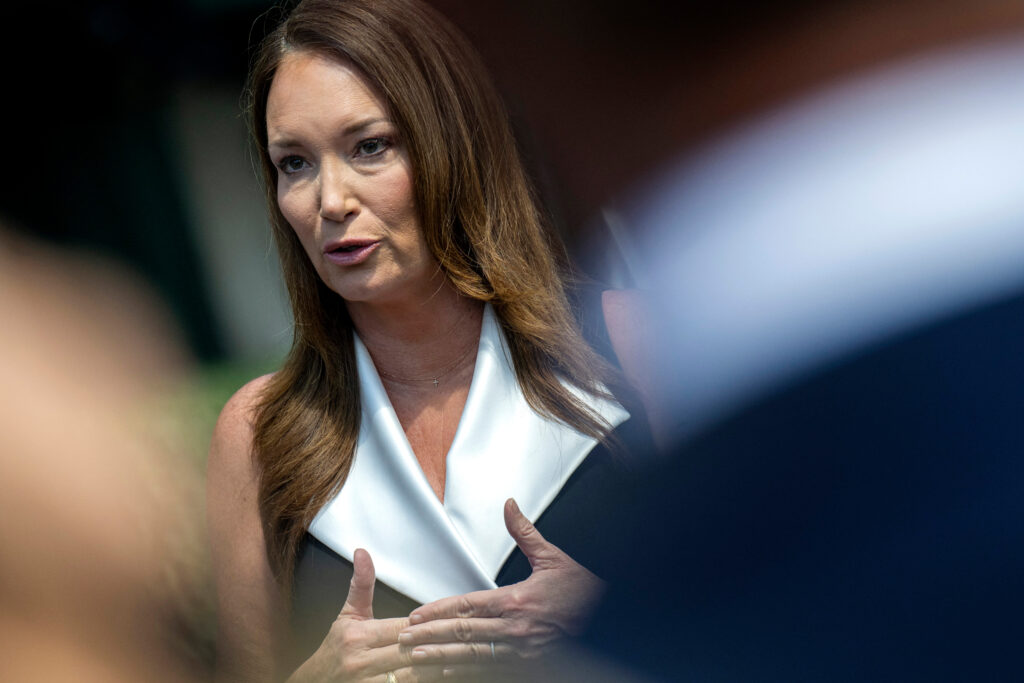
There is a bitter irony in watching the Department of Agriculture dismantle support for renewable energy while the very farmers it claims to serve are being crushed by fossil fuel price spikes. Diesel and fertilizer costs are not abstract line items—they are the difference between planting season and foreclosure. When the agency charged with protecting rural livelihoods pulls the plug on cleaner, more affordable alternatives, it isn't just a policy choice; it's a verdict on who gets to survive in American agriculture.
The disclosure reports filed in July paint a stark picture. Brooke Rollins and her husband hold millions in oil and gas investments, meaning the Secretary's personal portfolio is directly tied to the very price volatility now devastating farm budgets. This isn't a passive conflict of interest—it's structural. Every dollar of profit from a diesel price spike is a dollar extracted from a farmer's bottom line, and the person overseeing agricultural policy is positioned on the profitable side of that equation.
This story also connects to a broader pattern of regulatory capture at the highest levels of government. When agency leadership holds financial stakes in the industries they oversee, the incentive structure is inverted: policies that should prioritize resilience, affordability, and climate stability instead bend toward protecting incumbent fossil fuel interests. The result is a USDA that treats renewable energy as an afterthought precisely when it should be a lifeline.
The source article from Inside Climate News—available at the source this convergence of personal profit and policy harm. For Climate Watch, this is not merely a corruption scandal. It is a climate story, a rural economic story, and a stark reminder that the energy transition will not succeed unless we also confront who holds the levers of power and whose bank accounts are filled by the status quo.