On this day in space! Aug. 21, 1914: Total solar eclipse expedition crashed by WWI
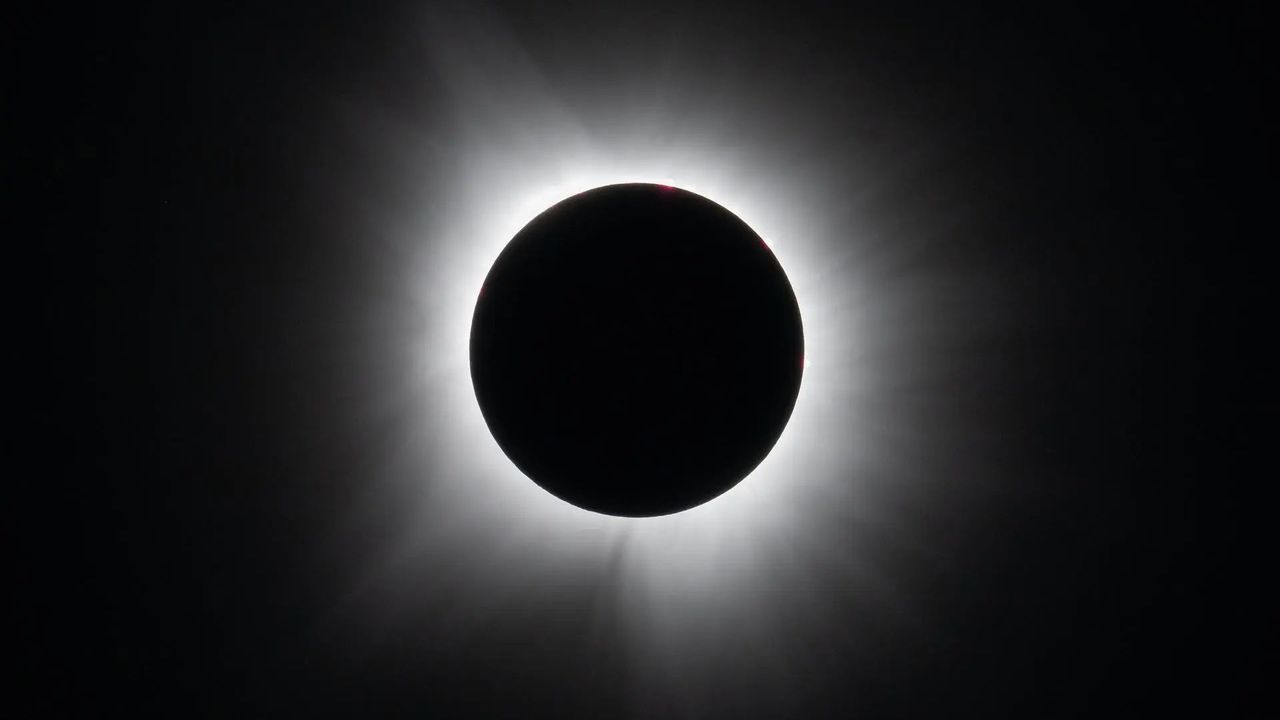
History has a cruel sense of timing. The 1914 eclipse was arguably the most scientifically consequential celestial event ever to fall victim to terrestrial conflict. Einstein had published his general theory of relativity just months before—and Freundlich's planned observations in Crimea were meant to be the first empirical test of its radical claim that gravity warps spacetime. Instead, the guns of August silenced the instruments of science.
What fascinates me is the counterfactual. Had Freundlich succeeded, relativity might have been confirmed in 1914, not 1919. The intellectual landscape of the 20th century—from GPS satellites to our current understanding of black holes—might have shifted by half a decade. And yet, there's a darker irony: the war that delayed relativity's confirmation also accelerated other scientific horrors, from chemical weapons to aerial bombardment. Science is never neutral; it bends to the will of its patrons.
The eclipse itself was magnificent—witnesses in the path of totality described a corona that seemed to pulse with the anxiety of a continent at war. But the real lesson isn't astronomical. It's that the pursuit of knowledge is always entangled with the politics of its era. We like to imagine science as pure, but it operates within the messy, violent currents of human history. Today, as we plan lunar bases and Mars colonies, we'd do well to remember that a single geopolitical crisis can still eclipse our best-laid plans.