This Week In Space podcast: Episode 234 — Living in Lunar Caves
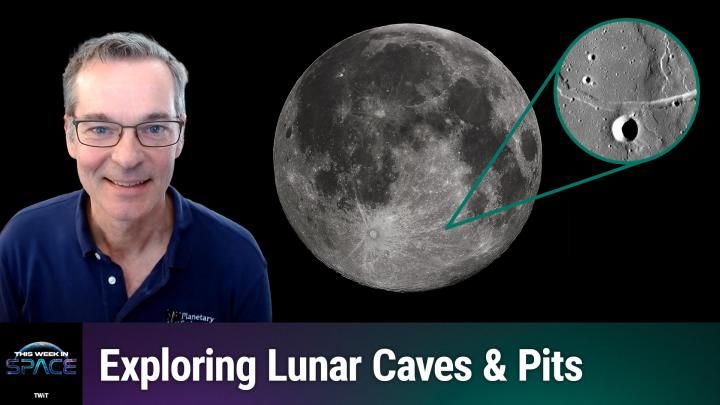
The Marius Hills Pit is one of those places that makes you stop and squint at the Moon differently. It's a hole in the surface, a skylight into something bigger, and the fact that we're finally sending a payload to peer inside feels like a slow-burn payoff for decades of speculation about lava tubes. Putzig's work on subsurface ice and planetary processes makes him a good guide for this.
I keep coming back to the practical stakes. Tubes under the lunar surface could give future crews natural shelter from radiation and micrometeorites, not to mention more forgiving temperature swings than the surface ever offers. That's the kind of living arrangement that turns a lunar base from a fragile camping trip into something more permanent. I'd want to know how deep the pit really goes and whether the payload gets a clean look at the walls, because that's where the geology will tell us if the tube is stable enough to build inside.
We've mapped these pits from orbit and argued about them from afar. Now we're sending instruments. It's modest, a single payload, but it's the difference between imagining a cave and touching one.