Hubble Reveals that Star Formation is Slowing Down in the Andromeda Galaxy
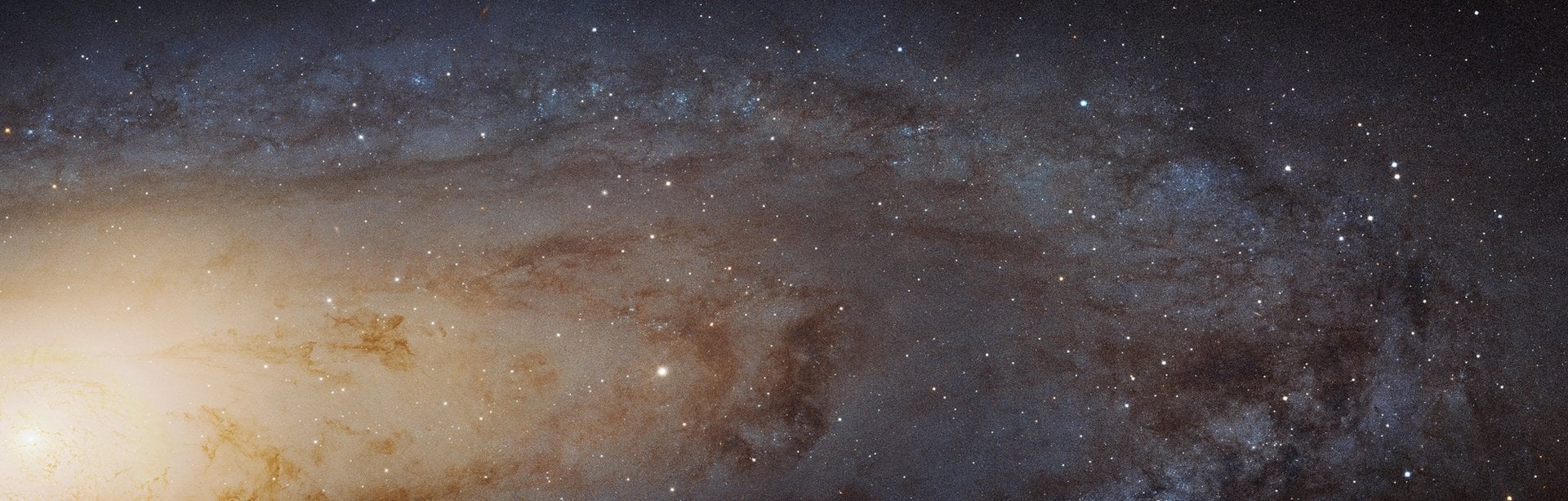
We look at Andromeda and see a sparkler—but Hubble’s latest census tells us the sparkler is guttering out. A team led by the University of Washington has traced how star formation is slowing across our nearest major galactic neighbor. This isn’t a headline about one galaxy; it’s a snapshot of the universe’s own mortality, played out in slow motion across two trillion suns.
Why does this matter? Because Andromeda is our cosmic mirror. What we’re watching there is likely happening here in the Milky Way: the gas runs thin, the stellar nurseries go quiet, and the brilliant blue fires give way to a long red dusk. Hubble’s extraordinary detail lets us see the final act of galactic creation—not in an ancient, distant field, but in our own backyard. It signals that the era of furious star birth is drawing to a close across the local universe.
The story of Andromeda is a reminder: even galaxies age. The night sky’s brightest giants are quietly exhaling their last, and we are lucky enough to catch that breath. When the last star in Andromeda finally fades, no one will be there to remember it—except, perhaps, the light we save now.