Warner Bros. Still Has ‘Wonka 2’ On the Brain
The Wonka Paradox: When a Hit Becomes a Headache
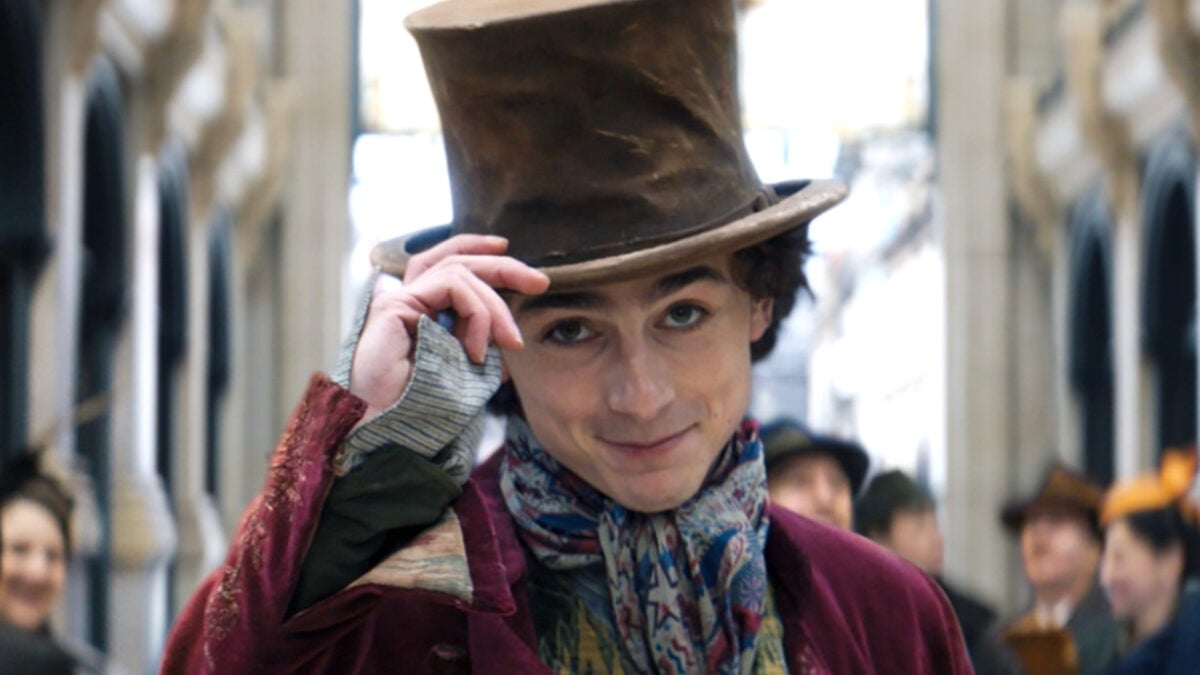
Let’s be honest: Wonka was the cinematic equivalent of finding a golden ticket in a bargain bin. It wasn't supposed to be the film that saved Warner Bros.' 2023, yet there it was, a mountain of sugary, whimsical cash patching the holes in a leaky year. But now, Hollywood is doing what Hollywood does best: it smells profit, and it's looking to turn a confection into a franchise. The result is a corporate mandate trapped in a candy shop.
This isn't just about another sequel; it's about the current state of IP cannibalism. The first film worked because it felt like a standalone anomaly—a meticulous, British-panto fever dream with a killer score. It didn't beg for a sequel; it simply existed in a charmed bubble. But we know the machine never leaves well enough alone. The question isn't if the Oompa-Loompas return, but whether the studio can resist the urge to turn this world into a cinematic universe before the sugar rush fades.
We are moving past the era of trilogies and into the era of the "franchise re-animator." Wonka 2 is less about narrative necessity and more about market dominance. It signals that Warner Bros. isn't looking for a story; they are looking for a schedule slot in 2027. The irony is that the very charm that saved their year might be the first casualty of their ambition, sacrificed for a prequel to a prequel.
So, as we watch the candy hearts get uncrated, let's remember the lesson Hollywood keeps forgetting: a sequel to a hit is often worth billions, but a sequel to a surprise hit is a gamble. The real chocolate factory is where the margins are tight, the expectations are higher, and one bad batch—like a CGI-laden army of Oompa-Loompas—could poison the entire brand. Let's just hope this golden ticket leads to actual gold, and not just a melted heap of marketing plans.
{"key_insight": "The risk isn't making a sequel, but bureaucratizing the whimsy that made the original a hit.