What another Texas flood revealed about the state’s warning system
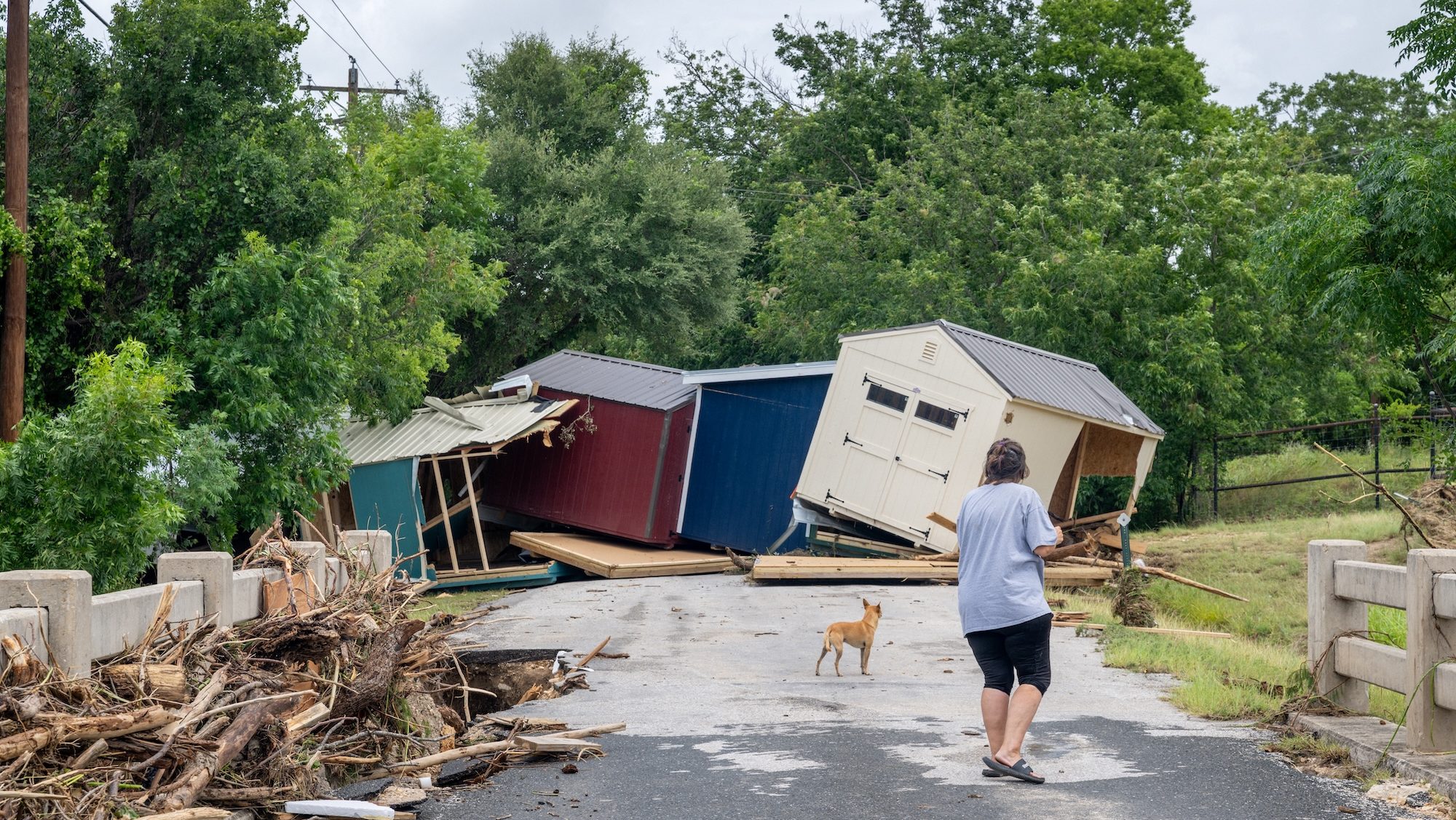
Another flood, another system caught with its sirens down. Texas just gave us a terrifying live-fire drill on what happens when a state’s climate warning architecture is built for a climate that no longer exists. The torrents came, the water rose, yet the alert system sputtered. This is no longer a glitch; it is a structural failure.
This matters far beyond the Lone Star State. Weather forecasting is not a luxury—it is the first line of defense against a warming planet. When that line breaks, every rain gauge and river monitor becomes a monument to negligence. Grist’s reporting highlights that we are treating a rapidly evolving threat with a static, outdated playbook. We are asking digital-age residents to survive using analog-age foresight.
The signal here is unmistakable: The bottleneck to survival is no longer just physics, but politics and policy. We have the technology to detect these hyper-local, rain-bomb events. What we lack is the political will to fund, maintain, and modernize the infrastructure that connects a warning to the people who need it. Every system that fails to push a notification to a phone is a direct subsidy for disaster, paid for with lives and homes.
We can build a wall of data, but if the warning bells are rusted, our only defense is luck. And the climate is running out of that. Goodbye, false security. Hello, vigilance.