Only Cats Are Linked to Worse Mental Health in Young Kids, Study Finds
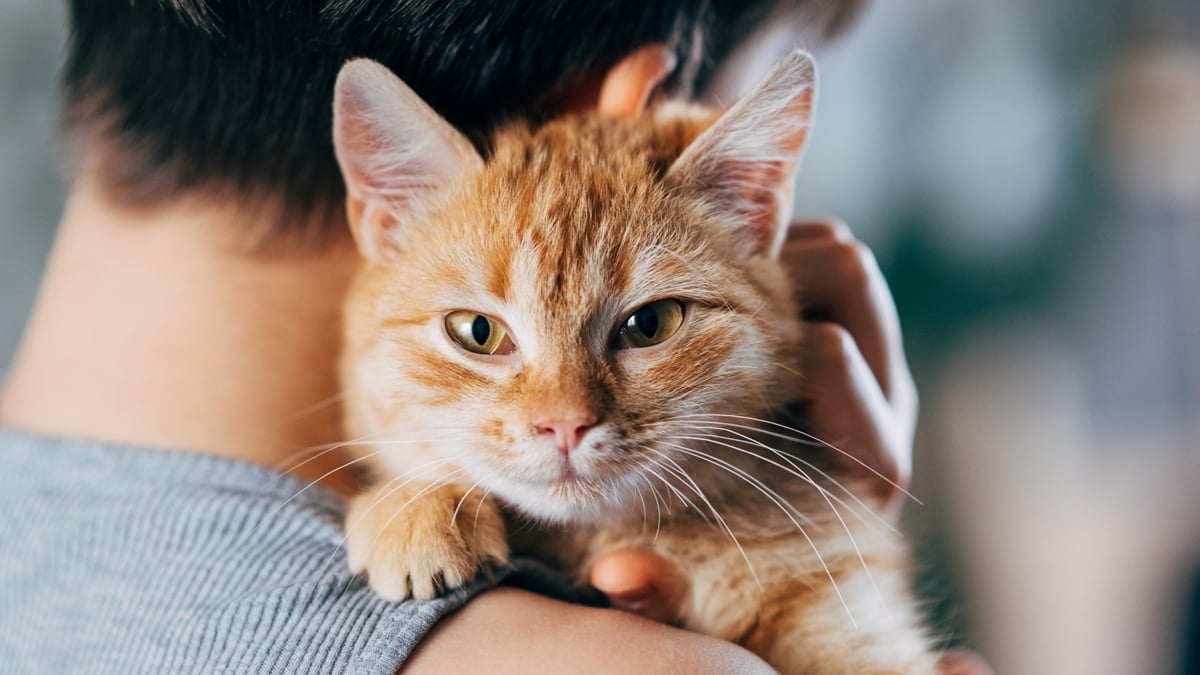
This study, reported by ScienceAlert, adds another layer to the endlessly fascinating—and sometimes contradictory—story of how pets shape child development. For years, we’ve heard about the benefits of growing up with dogs: responsibility, empathy, even a microbiome boost. Cats, though, have always been a bit more enigmatic. They’re independent, aloof, and carry a microbial baggage that dogs don’t—most notably Toxoplasma gondii, a parasite that has been linked to subtle behavioral changes in humans. The idea that cats might be associated with worse mental health in kids isn’t entirely new, but this study’s focus on young children makes it particularly intriguing.
Of course, correlation is not causation. Families that choose cats over dogs may differ in socioeconomic status, living environment, or parenting styles. Maybe children who are already struggling emotionally are more likely to have a cat? Or perhaps the finding is a statistical artifact. The researchers likely controlled for many variables, but without the full paper we can’t know exactly how robust the effect is. Still, the pattern is worth taking seriously—especially because cats are such beloved companions. We shouldn’t panic and rehome our feline friends; rather, we should ask deeper questions about what’s driving the association.
One plausible mechanism is the immune system. Early exposure to certain allergens or microbes can shape inflammatory responses, which in turn affect brain development. Cats carry allergens that are notoriously sticky and persistent, and they also shed Toxoplasma oocysts in their feces. While most healthy adults handle the parasite fine, a developing brain might be more vulnerable. Another angle is sleep disruption—cats are crepuscular and often wake their owners at night, and poor sleep in early childhood is a known risk factor for mental health issues. Dogs, by contrast, tend to align more with human sleep schedules.
What’s most striking is the specificity: dogs showed no such link. That suggests the effect, if real, is something unique to cats—not just “having a pet.” This study opens the door for more research into how different animals, with their distinct behaviors and microbiomes, influence the developing human mind. It’s a reminder that our relationships with animals are not one-size-fits-all. The cat’s purr might soothe us as adults, but in the crucible of early childhood, its presence might be a double-edged sword.
Ultimately, this is a call for nuance. We love our pets, and they enrich our lives in countless ways. But science is showing us that the bond is complex, and the effects—especially on the youngest among us—deserve careful scrutiny. Next time you watch a toddler chase a kitten, you might wonder: is this pure joy, or is something more subtle unfolding? The answer, as always, is probably both.