Supermassive Games will lay off up to 75 workers
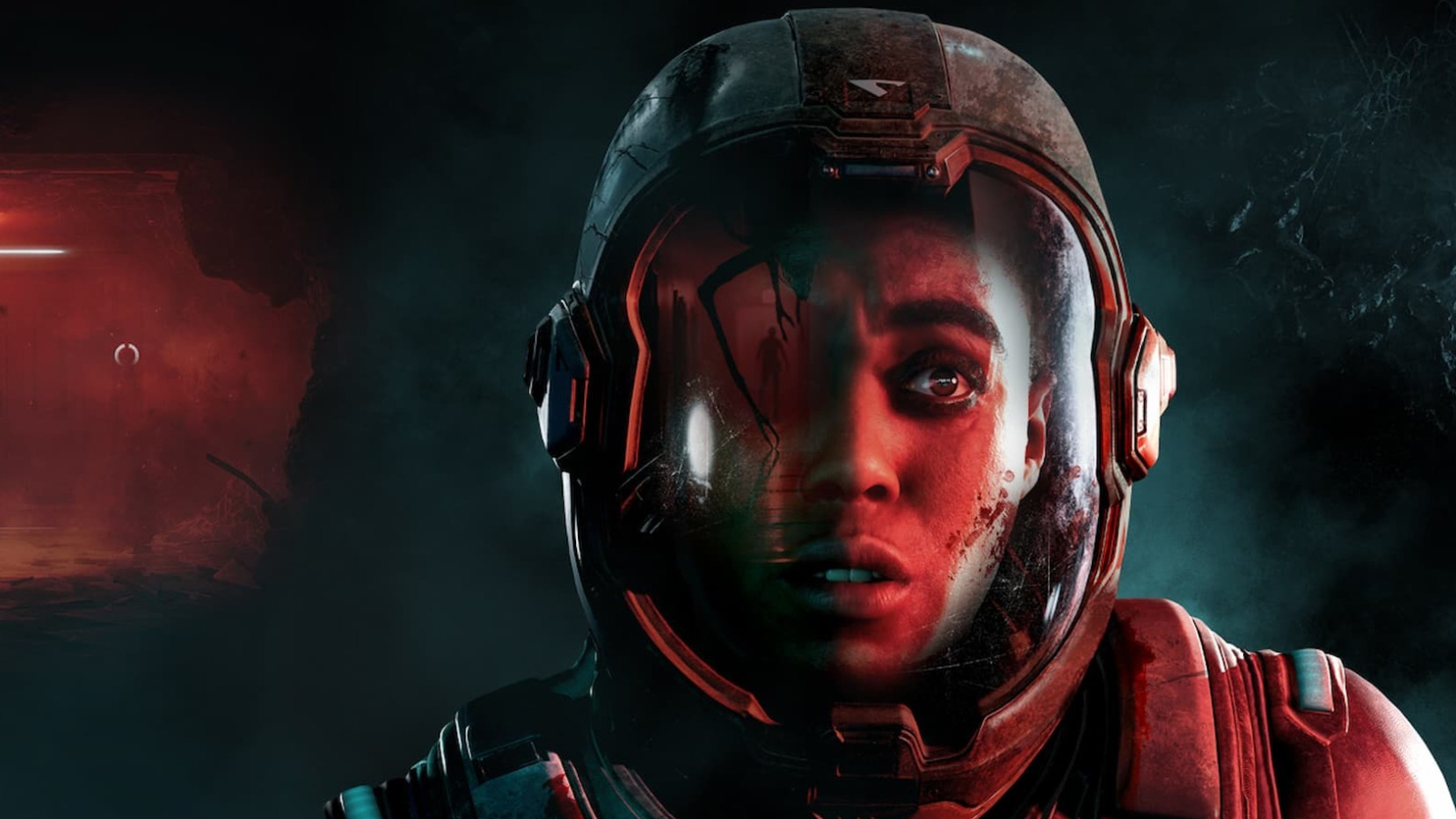
The announcement from Supermassive Games is less a surprise than a symptom. The studio, known for its cinematic, choice-driven horror titles, has carved out a niche in the interactive storytelling space, but that niche is increasingly crowded and costly to maintain. Layoffs of this scale—roughly 75 employees, or about a quarter of the studio's workforce—are rarely about immediate financial distress; they're a strategic recalibration. The company says it's restructuring to "ensure long-term sustainability," which in corporate parlance often means trimming projects that aren't guaranteed blockbusters and refocusing on proven IP.
What's striking here is the timing. Directive 8020 is still in development, and Until Dawn remains a beloved cult classic. Yet the studio is not immune to the industry's broader contraction. Post-pandemic, the gaming market has normalized after a boom, and investors are demanding clearer returns on increasingly expensive productions. For a studio like Supermassive, which relies on branching narratives and high production values, the cost per player engagement is high, and the margin for error is thin. The layoffs are a defensive move, but they also signal a shift in how even mid-tier studios must operate: leaner, more focused, and less willing to take creative risks.
This is part of a larger narrative. The gaming industry has shed thousands of jobs over the past year, from massive publishers like EA and Epic Games to smaller teams like Supermassive. The common thread is not mismanagement but a structural recalibration—rising development costs, plateauing player growth, and a record number of releases competing for attention. For a studio that built its reputation on innovation in interactive horror, the pressure to deliver a hit while maintaining that identity is immense. The layoffs may preserve the company, but they also risk eroding the very creative talent that made it distinctive.
The source article notes that the company will continue to support its existing projects, but the human cost is real. Every layoff in this industry is a reminder that the "sustainability" of a studio is often measured in balance sheets, not in the artistic output that drew players to its games. The question is whether Supermassive can emerge from this restructuring with its creative DNA intact, or whether it becomes another cautionary tale of a studio that survived by becoming something else. For now, the industry watches, and the next release from Supermassive will be scrutinized not just for its scares, but for what it says about the studio's new, leaner direction.