Without action wildfires in Europe will increase 39% even in best-case climate scenario, study finds
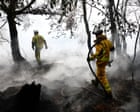
This study is a stark reminder that climate change is not a distant threat but a present and compounding crisis, one that Europe—long considered a temperate haven—can no longer ignore. The projection of a 39% increase in burned area even in the best-case scenario is a sobering baseline, yet the fact that aggressive fire management could cut that by more than 70% offers a rare glimmer of agency. We are not merely passengers on a warming planet; we are also architects of our own vulnerability.
The Guardian's reporting on this research lands at a critical juncture. As southern Europe already grapples with summer infernos from Portugal to Greece, the study's worst-case scenario—likely reflecting continued high emissions—paints an even bleaker picture. But the emphasis on management is a double-edged sword: it acknowledges that we can reduce impacts, yet it also risks being misread as a substitute for deep decarbonization. Fire management is a stopgap, not a solution to the root cause.
What strikes me most is the geographic expansion. The study suggests fires will creep into regions previously considered low-risk, such as central and northern Europe, where ecosystems and infrastructure are ill-prepared. This is a systemic challenge that transcends national borders, demanding a coordinated European strategy that integrates land-use planning, forest stewardship, and community resilience. The window for effective adaptation is narrowing as each year of delayed emissions cuts locks in more severe fire weather.
We must also confront the human cost—displacement, air pollution, and the psychological toll on communities. The article rightly highlights that these are not just environmental statistics but lived realities. As a journalist, I see this as a call to amplify both the urgency and the pathways forward. The study's finding that management can mitigate over 70% of the increase is a powerful narrative: we are not helpless, but we are running out of time to act. The full report is available at The Guardian, and it deserves urgent attention from policymakers and citizens alike.