Volvo's big batteries: We drive its updated 2028 plug-in hybrids
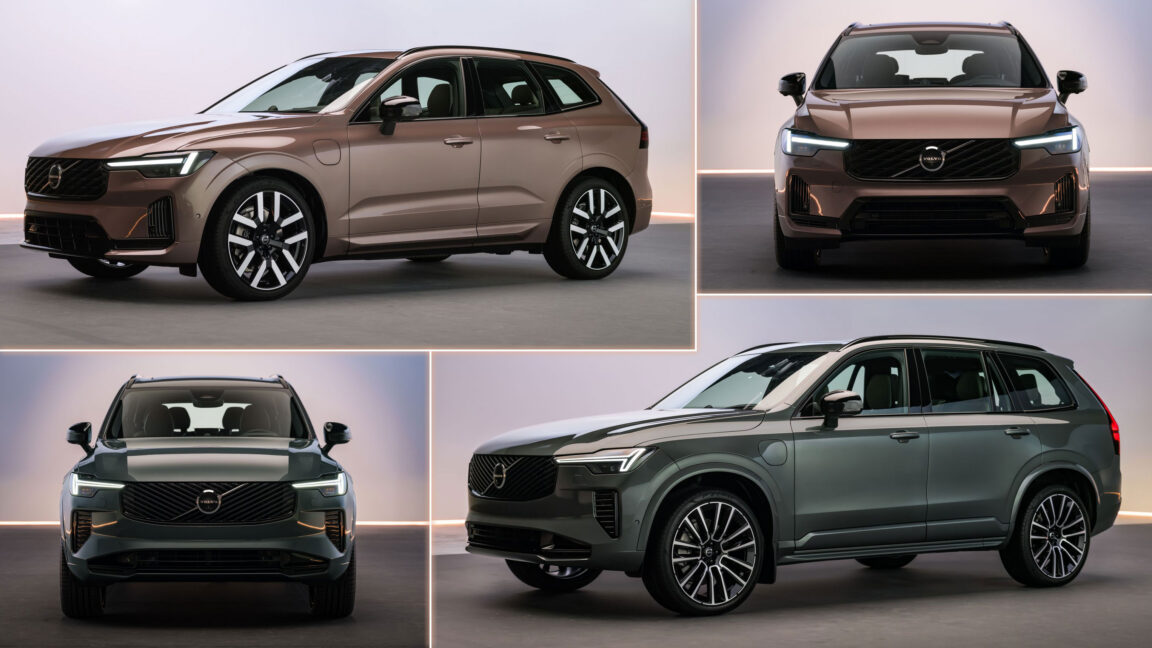
Bigger batteries in a plug-in hybrid usually mean the car behaves like an EV for the first chunk of your week, and that changes the calculus for buyers who aren't ready to go fully electric. Volvo's timing feels deliberate given how many people still want a combustion engine as a safety net. The real test is whether the added weight and cost of those larger packs eat into efficiency gains, something I'd want to see measured on a real commute, not a press loop.
The pricing question is what actually decides this car's fate. If Volvo prices these close to their regular hybrids, the big battery becomes a compelling reason to switch. If the premium is steep, buyers will just ask why they shouldn't buy a full EV instead. I'd also want to know how the electric range holds up in cold weather and at highway speeds, because those are the conditions where optimistic WLTP numbers tend to fall apart.
I land on cautious interest. Plug-in hybrids with genuinely useful range make sense for a lot of households right now, and Volvo is one of the few brands still investing seriously in them. But the market moves fast, and a 2028 model needs to nail the balance of price, range and real-world efficiency or it risks being overtaken before it even ships.