Why the World Is Still Running on Fossil Fuels After 30 Years of Climate Talks
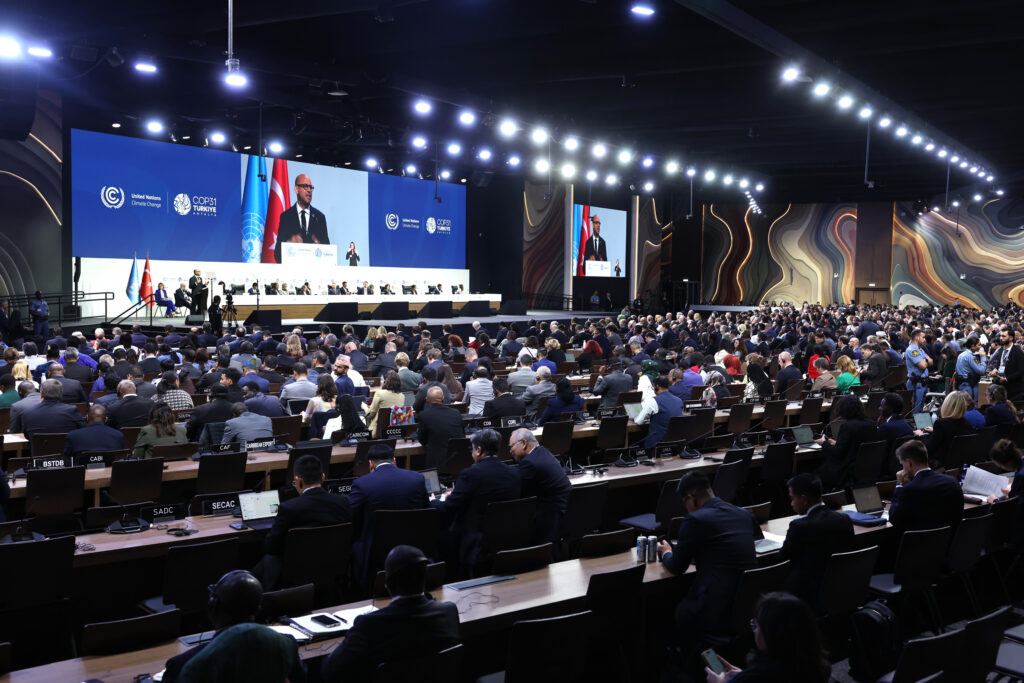
The smoke hanging over Dubai during COP28 said more than any speech on the main stage. Delegates flew in on jet fuel, the buses ferrying them around burned diesel, and the host city's wealth rests on exporting the very hydrocarbons the talks are meant to phase out. Poland hosting twice, a country whose grid still leans hard on coal, adds another layer. Thirty years of these meetings and the machinery that moves them has barely changed.
That gap between declaration and operation is worth dwelling on. It doesn't mean the talks are pointless, but it does mean the people negotiating the energy transition keep demonstrating how hard it is to live without fossil fuels. I'd want to know how much of a typical COP's carbon footprint comes from travel versus the venue itself, and whether anyone has seriously tried to shrink that number.
The honest read is that these conferences mirror the wider problem: we know what the target is, but the systems we depend on keep pulling us back. If the negotiators can't confront the emissions their own gatherings produce, I'm not sure the commitments signed on the final night will hold up in the real world.